


Understanding Methionine Prices
Market Overview & Supply Chain Dynamics
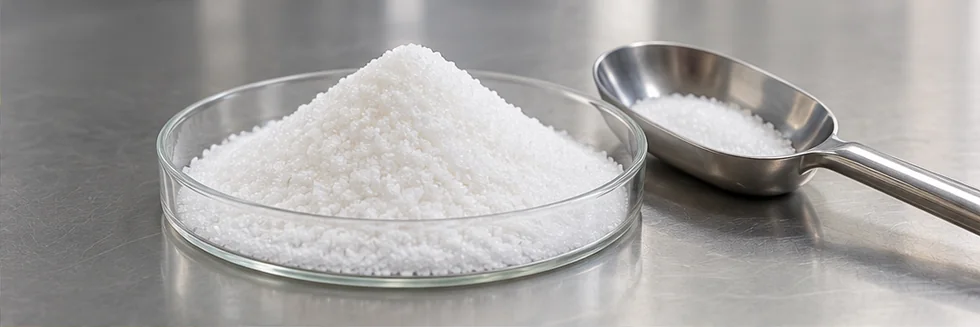
Methionine is procured in a defined feed-ingredient form, such as DL-methionine or a separately specified analogue product. Active content and bioavailability determine meaningful nutritional comparison. Its role in sulfur amino acids makes it important to ration balancing, while mixing uniformity matters because concentrated ingredients are incorporated at relatively small proportions rather than used as bulk feed material.
Key Applications & Industrial Demand
Poultry and other animal-feed manufacturers purchase methionine to meet amino-acid requirements efficiently. Protein-meal composition and the intended species influence the value of supplementation and the choice among commercial forms.
Key Factors Influencing Methionine Price Movements
- Ingredient Form: DL-methionine, active content, physical state, and product chemistry determine the material and quantity delivered.
- Nutritional Performance: Sulfur amino acids balance, bioavailability assumptions, and mixing uniformity affect value within the buyer's complete feed formula.
- Manufacturing Supply: Chemical inputs, plant operation, energy, poultry-feed demand, global capacity, and inventories influence availability and delivered prices.
How to Interpret Methionine Pricing Data
Compare currency per kilogram for the same chemical form, assay, physical state, and feed qualification. Liquid and dry products require concentration, handling, and nutritional-equivalence assessment. A simple product-ton comparison can obscure differences in usable amino-acid supply.
Further reading: FAO: Animal Production and Feed Nutrition
Frequently Asked Questions About Methionine
What drives price changes for Methionine?
Manufacturing inputs, capacity, outages, poultry-feed demand, global supply, and competing commercial forms influence prices.
How do quality or specification differences affect Methionine pricing?
Chemical form, active content, physical state, purity, nutritional assessment, and handling distinguish methionine ingredients.
Why can local Methionine prices differ from global benchmarks?
Import freight, taxes, packing, distributor inventory, feed qualification, and liquid-versus-dry handling add regional costs.