


Understanding Medical masks Prices
Market Overview & Supply Chain Dynamics
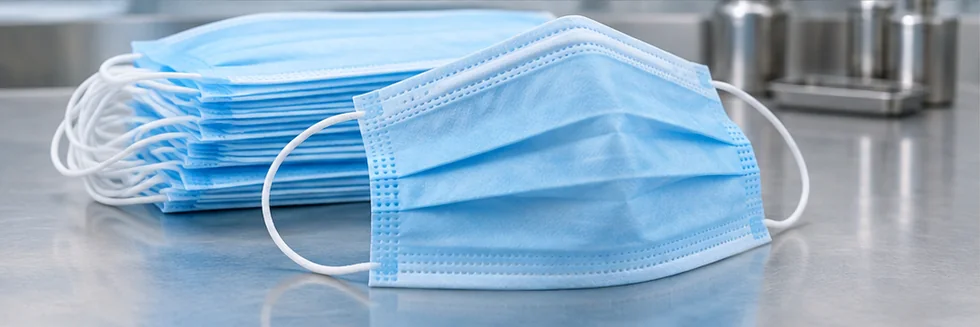
Medical masks combine nonwoven outer and inner layers with a filtration layer, nose strip, and ear loops or ties. Purchasing specifications distinguish bacterial filtration, differential pressure, and fluid resistance: strong filtration alone does not establish splash protection or comfortable breathing. ASTM F2100 addresses material performance, while finished-mask construction and consistent production remain separate procurement considerations. Medical masks have a loose fit and should not be valued as equivalent to fit-tested respirators.
Key Applications & Industrial Demand
Hospitals, dental practices, laboratories, and outpatient clinics replenish procedure masks around patient volumes and infection-control protocols. Surgical purchasing may require documented fluid barriers and tie attachments, whereas routine clinical stock often emphasizes reliable ear-loop attachment, skin-contact comfort, box presentation, and consistent lot traceability.
Key Factors Influencing Medical Masks Price Movements
- Barrier Testing: ASTM F2100 documentation, fluid resistance, bacterial filtration, and repeatable test results influence clinical purchasing eligibility and manufacturing cost.
- Attachment Construction: Weld strength, nose-strip fit, ear loops, and ties affect rejection rates and user acceptance throughout repeated patient-care shifts.
- Clinical Replenishment: Hospital usage, outbreak-related stocking, meltblown availability, and distributor inventory can tighten supplies of a particular certified mask design.
How to Interpret Medical Masks Pricing Data
Medical masks are bought by piece, box, or case. A box quotation becomes meaningful only after counting masks and identifying the tested performance level. Sterile presentation, individual wrapping, pediatric dimensions, and freight alter the delivered cost; comparing a general face covering with a documented medical mask understates the specification difference.
Further reading: FDA: Surgical Mask Guidance
Frequently Asked Questions About Medical masks
What drives price changes for Medical Masks?
Clinical consumption, filtration-media availability, institutional tender volumes, packaging costs, and documented barrier requirements drive purchasing prices.
How do quality or specification differences affect Medical Masks pricing?
Tested filtration, fluid resistance, breathing resistance, attachment durability, and sterile or individually wrapped presentation distinguish procurement grades.
Why can local Medical Masks prices differ from global benchmarks?
Local registration, hospital-contract requirements, case quantities, freight, and distributor stocking add costs beyond factory mask production.