


Understanding Mechanical stamping press Prices
Market Overview & Supply Chain Dynamics
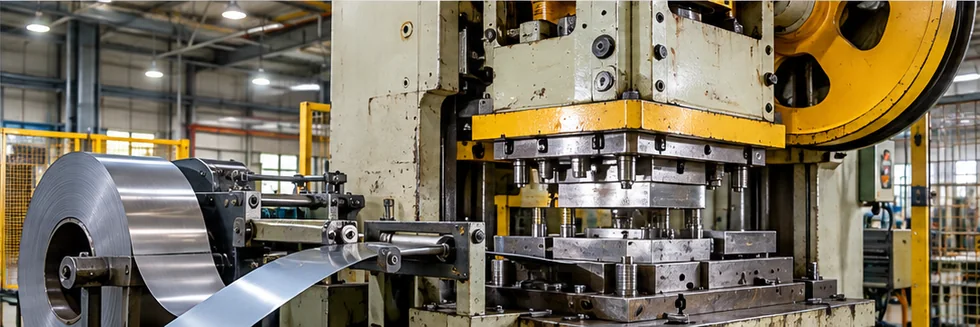
A mechanical stamping press transfers drive energy through a crank, eccentric, or related mechanism to a moving ram and die. Rated tonnage, stroke length, shut height, and strokes per minute define different aspects of capacity. Force availability changes through the stroke, so a headline tonnage cannot describe every forming operation. Frames, drives, clutches, brakes, controls, guarding, and lubrication all contribute to the machine's construction.
Key Applications & Industrial Demand
Metal stampers produce brackets, electrical terminals, appliance panels, fasteners, and vehicle parts with dedicated tooling. Procurement follows die size, forming depth, part geometry, coil width, and required output. A feed system or transfer mechanism often determines practical throughput as strongly as press speed.
Key Factors Influencing Mechanical Stamping Press Price Movements
- Force and Stroke Geometry: Rated tonnage, stroke length, shut height, bed area, and energy availability determine which blanking or forming dies the press can operate.
- Speed and Feeding: Strokes per minute, feed system accuracy, transfer synchronization, and changeover arrangements influence attainable production rate and equipment complexity.
- Structure and Safeguarding: Frame rigidity, clutch-brake performance, guarding, controls, foundation work, and die protection affect reliability, installation, and operating capability.
How to Interpret Mechanical Stamping Press Pricing Data
A press quotation may exclude dies, coil handling, straighteners, feeders, guards, foundations, and commissioning. Establish where rated force is available and whether the press suits the intended die. Production economics should include tool changes, scrap handling, safety integration, and the permissible duty cycle rather than comparing tonnage prices alone.
Further reading: AIDA: Mechanical Press Technology
Frequently Asked Questions About Mechanical stamping press
What drives price changes for Mechanical Stamping Press?
Press size, frame construction, drive design, operating speed, feeding automation, and industrial order demand shape stamping-press quotations.
How do quality or specification differences affect Mechanical Stamping Press pricing?
Force availability, alignment, rigidity, energy capacity, control accuracy, and die compatibility distinguish presses with the same stated tonnage.
Why can local Mechanical Stamping Press prices differ from global benchmarks?
Freight, foundations, dies, feeding equipment, safeguarding integration, rigging, and service arrangements add installation-specific expenses.