


Understanding Marine gas oil Prices
Market Overview & Supply Chain Dynamics
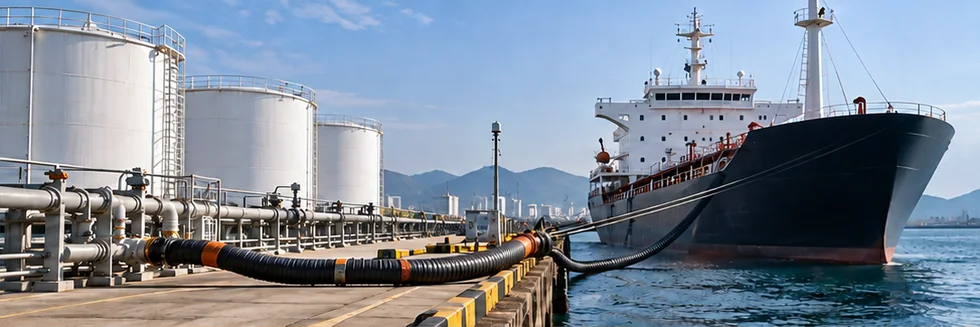
Marine Gas Oil is a distillate fuel used in compatible ship engines and auxiliary systems. Sulfur specification, viscosity, and flash point form important elements of the commercial description. Bunker delivery adds port-specific pumping, sampling, and scheduling obligations. A generic diesel reference may indicate upstream conditions but cannot establish the complete value of a marine fuel stem.
Key Applications & Industrial Demand
Vessels use MGO for main engines, auxiliary generators, and particular operating or compliance needs. Demand depends on vessel calls, route patterns, engine compatibility, and the economics of alternative compliant marine fuels.
Key Factors Influencing Marine Gas Oil Price Movements
- Distillate Availability: Distillate fuel refinery supply and competing diesel or heating demand affect the material available for marine blending and delivery.
- Marine Specifications: Sulfur specification, viscosity, and flash point determine whether fuel meets the agreed engine and marine-safety requirements.
- Port Supply Conditions: Bunker delivery equipment, barge schedules, parcel size, and vessel timing create port-specific additions to the fuel price.
How to Interpret Marine Gas Oil Pricing Data
Marine quotations commonly use US dollars per metric ton at a named port. Confirm the marine grade, sulfur limit, delivery method, and stem size. Ex-wharf fuel, delivered bunkers, and inland road diesel contain different handling and tax components.
Further reading: IMO: Sulfur Limits in Marine Fuel
Frequently Asked Questions About Marine gas oil
What drives price changes for Marine Gas Oil?
Refinery distillate supply, crude and diesel markets, vessel demand, and local bunker logistics influence MGO quotations.
How do quality or specification differences affect Marine Gas Oil pricing?
Marine grade, sulfur, viscosity, cold-flow properties, flash point, and test documentation distinguish fuel offers and their operational suitability.
Why can local Marine Gas Oil prices differ from global benchmarks?
Port inventories, barge attendance, delivery timing, taxes, and competition among bunker suppliers create local premiums or discounts.