


Understanding Magnesia Prices
Market Overview & Supply Chain Dynamics
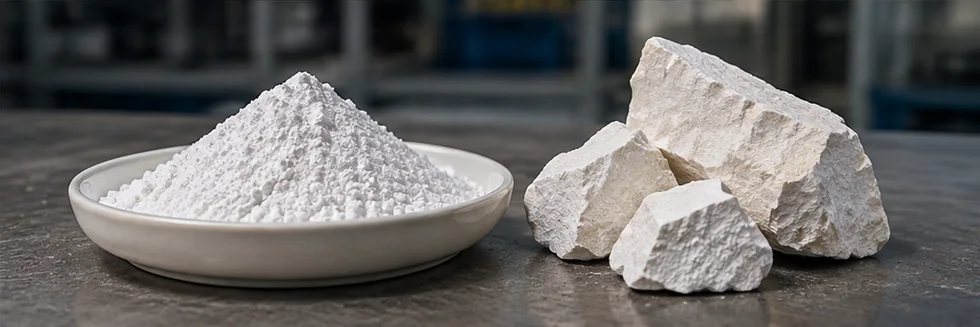
Magnesia is magnesium oxide made from magnesite, brines, or other magnesium-bearing feedstocks. Caustic-calcined, dead-burned, and fused magnesia represent distinct thermal histories and markets. Bulk density, purity, crystal development, and reactivity determine use. A generic MgO quotation can therefore be misleading: material suitable for a chemical reaction is not necessarily suitable for a demanding furnace lining.
Key Applications & Industrial Demand
Steelmaking refractories, cement and glass furnaces, chemicals, agriculture, and selected construction products use different magnesia grades. Refractory users value heat durability and slag compatibility, while chemical users may need reactivity. These objectives can require opposite processing choices.
Key Factors Influencing Magnesia Price Movements
- Thermal Processing: Caustic-calcined, dead-burned, and fused magnesia require different energy inputs and equipment, creating fundamentally different cost bases.
- Purity and Structure: Magnesium oxide assay, bulk density, crystal characteristics, and impurities influence refractory life or chemical reactivity and customer qualification.
- End-Use Balance: Steel, refractory, chemical, and agricultural demand affect separate grade markets, while mine, brine, and furnace availability determine regional supply.
How to Interpret Magnesia Pricing Data
Magnesia is commonly quoted per metric ton with form, assay, density, sizing, and reactivity specified. Compare the same calcination or fusion category. A cheap reactive MgO powder cannot automatically replace dense refractory-grade material in high-temperature service.
Further reading: USGS Magnesium Compounds and Refractory Uses
Frequently Asked Questions About Magnesia
What Drives Price Changes for Magnesia?
Energy, magnesite or brine feed, furnace operations, steel production, and refractory demand move prices. Fused and calcined grades can follow different capacity constraints.
How Do Quality or Specification Differences Affect Magnesia Pricing?
Purity, silica and other impurities, density, grain size, crystal development, and reactivity matter. Thermal treatment changes performance beyond the nominal MgO percentage.
Why Can Local Magnesia Prices Differ From Global Benchmarks?
Energy tariffs, feedstock access, environmental costs, heavy freight, duties, and refractory-industry demand affect local prices. Processing form often matters more than mine proximity alone.