
Price CloudO3GLOBAL COMMODITY MARKETS
English (US) Language
Magnesia icon
MINERALS AND BATTERY MATERIALS · SOURCES REPORT DIFFERENT PRICE TYPES

Magnesia Latest Prices

Magnesia prices explained through magnesium oxide, caustic-calcined, dead-burned and fused forms, bulk density, reactivity, and refractory demand.

Download history CSV ↓
Price series · 1

Price series — Magnesia

Sources report different price types Sources may update at different intervals

Exact item match: 0Related benchmark: 1Within recorded date window: 1Outside date range: 0No latest observation: 0Live reference: 0
Clear filters
Showing 1–1 of 1 Price seriesPage 1 / 1
Price series Magnesia
Provider / SourceCountry / market / CurrencyLatest priceObserved date / published periodFrequencyMappingStatusSource
MadeInChina.PublicSupplierMagnesialaoyingwendi.en.made-in-china.com:2030501905MadeInChina.PublicSupplier CN · Yantai Wenxu Industrial Co., Ltd.; public supplier offerUSD / ton 120.00 – 200.00USD / ton 10/24/2026First recorded (UTC)Last recorded by crawler: Supplier advertised quantity tierCurrent price · Reference snapshot
Series detailsAdvertised product title: Factory Price Magnesia/MGO Powder and Granular Magnesium Oxide 80%-95% From ChinaNative sku: 2030501905Quantity from: 20Quantity to: not_statedQuantity upper bound: stated_range_or_minimumSource quantity and unit: 20 Tons(MOQ)Supplier: Yantai Wenxu Industrial Co., Ltd.Supplier property:Appearance: Granular or PowderSupplier property:CAS No.: 1309-48-4Supplier property:Classification: Magnesium OxideSupplier property:EINECS: 215-171-9Supplier property:Formula: MGOSupplier property:Grade Standard: Industrial GradeSupplier property:HS Code: 2519909100Supplier property:Kind: Alkaline OxideSupplier property:Loading Quantity: 25-28mts for 1*20'gpSupplier property:Model NO.: MgoSupplier property:Origin: Shandong, ChinaSupplier property:Purity: 80-95%Supplier property:Quality: First ClassSupplier property:Shelf Life: 2 YearsSupplier property:Specification: 80-99%Supplier property:Trademark: WENXUSupplier property:Transport Package: 25kg/50kg/1000kgPublication effective date not disclosedNo historical daily prices generatedSupplier advertised not completed transactionConditional quantity tier or price rangeSupplier claims not independently certifiedCatalog mapping benchmark specific supplier spec retainedFreight tax delivery terms not inferredSource ton basis not converted to metric or short ton
Related benchmark Within recorded date window Source ↗History

Price history

Each source has its own currency and unit · Sources may update at different intervals
No data in this range. View full history →

Historical price table

Actual publication periods; missing periods are not interpolated
0 records
Price history Magnesia — Each source has its own currency and unit
PeriodPrice (Each source has its own currency and unit)Source
No records in this range.

Definition: Magnesium oxide supplied in forms with different reactivity, density, and thermal history.

Key Specifications and Terms:

Understanding Magnesia Prices
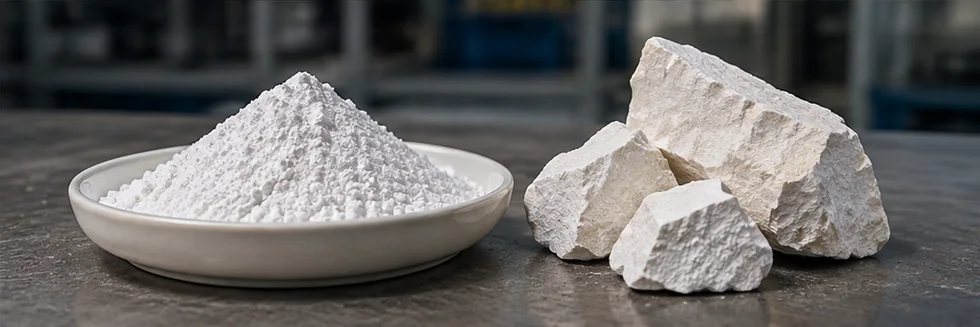
White magnesia powder beside pale refractory mineral pieces.
Illustrative image for the Magnesia market guide.

Market Overview & Supply Chain Dynamics

Magnesia is magnesium oxide made from magnesite, brines, or other magnesium-bearing feedstocks. Caustic-calcined, dead-burned, and fused magnesia represent distinct thermal histories and markets. Bulk density, purity, crystal development, and reactivity determine use. A generic MgO quotation can therefore be misleading: material suitable for a chemical reaction is not necessarily suitable for a demanding furnace lining.

Key Applications & Industrial Demand

Steelmaking refractories, cement and glass furnaces, chemicals, agriculture, and selected construction products use different magnesia grades. Refractory users value heat durability and slag compatibility, while chemical users may need reactivity. These objectives can require opposite processing choices.

Key Factors Influencing Magnesia Price Movements

  • Thermal Processing: Caustic-calcined, dead-burned, and fused magnesia require different energy inputs and equipment, creating fundamentally different cost bases.
  • Purity and Structure: Magnesium oxide assay, bulk density, crystal characteristics, and impurities influence refractory life or chemical reactivity and customer qualification.
  • End-Use Balance: Steel, refractory, chemical, and agricultural demand affect separate grade markets, while mine, brine, and furnace availability determine regional supply.

How to Interpret Magnesia Pricing Data

Magnesia is commonly quoted per metric ton with form, assay, density, sizing, and reactivity specified. Compare the same calcination or fusion category. A cheap reactive MgO powder cannot automatically replace dense refractory-grade material in high-temperature service.

Further reading: USGS Magnesium Compounds and Refractory Uses

Frequently Asked Questions About Magnesia

What Drives Price Changes for Magnesia?

Energy, magnesite or brine feed, furnace operations, steel production, and refractory demand move prices. Fused and calcined grades can follow different capacity constraints.

How Do Quality or Specification Differences Affect Magnesia Pricing?

Purity, silica and other impurities, density, grain size, crystal development, and reactivity matter. Thermal treatment changes performance beyond the nominal MgO percentage.

Why Can Local Magnesia Prices Differ From Global Benchmarks?

Energy tariffs, feedstock access, environmental costs, heavy freight, duties, and refractory-industry demand affect local prices. Processing form often matters more than mine proximity alone.