


Understanding Lysine HCl Prices
Market Overview & Supply Chain Dynamics
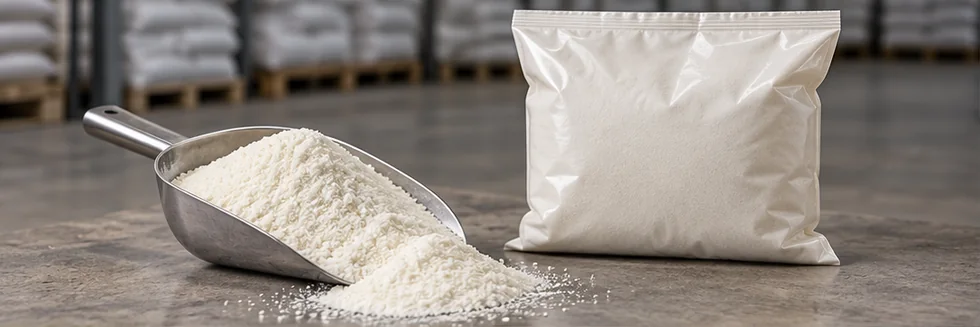
Lysine HCl supplies lysine as a hydrochloride salt rather than as an ordinary protein meal. Assay and lysine base establish how much active amino acid a kilogram contains. Fermentation and purification create the commercial ingredient, while flowability and moisture influence storage and dosing. Liquid lysine and other lysine forms require their own concentration and handling comparison.
Key Applications & Industrial Demand
Pig, poultry, and other feed manufacturers use lysine to meet balanced amino-acid requirements. Its value depends on the ration's digestible nutrient balance and the cost of alternative protein ingredients rather than crude protein alone.
Key Factors Influencing Lysine HCl Price Movements
- Active Ingredient: Assay, lysine base, salt form, and moisture determine the usable amino acid represented by each purchased ton.
- Manufacturing and Handling: Fermentation feedstocks, energy, purification, drying, flowability, and quality control influence production and mixing costs.
- Feed-Formula Demand: Amino-acid formulation, animal numbers, competing protein costs, inventories, and trade flows influence feed-mill purchasing.
How to Interpret Lysine HCl Pricing Data
Compare currency per kilogram or metric ton using active-lysine content and feed-grade specification. Retain salt form, moisture, packing, and delivery. Cost per kilogram of lysine base can reveal differences hidden by a lower price for a more dilute product.
Further reading: FAO: Animal Feed Resources and Nutrition
Frequently Asked Questions About Lysine HCl
What drives price changes for Lysine HCl?
Fermentation inputs, factory utilization, energy, animal-feed demand, protein-meal prices, and export supply influence lysine prices.
How do quality or specification differences affect Lysine HCl pricing?
Active lysine, assay, salt form, moisture, purity, physical handling, and feed-grade qualification distinguish offers.
Why can local Lysine HCl prices differ from global benchmarks?
Import costs, bags, local inventory, freight, feed-market qualification, and order size create delivered premiums.