


Understanding LNG bunker Prices
Market Overview & Supply Chain Dynamics
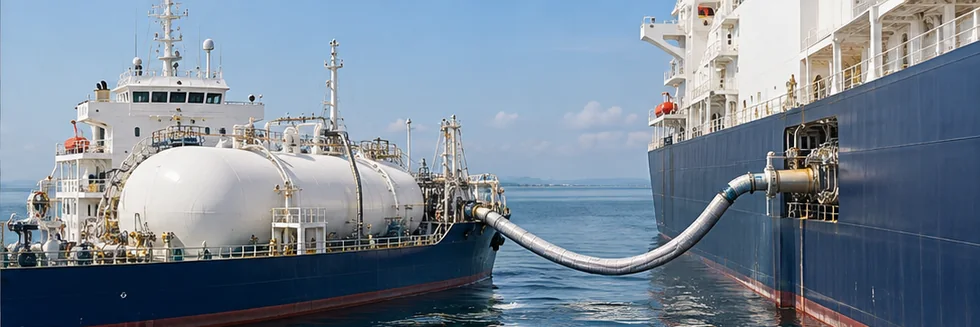
LNG Bunker supplies a cryogenic fuel to vessels equipped for liquefied natural gas. Methane content, insulated storage, and boil-off management influence handling and usable energy. Port bunkering operations may use ship-to-ship, truck-to-ship, or terminal transfer. Custody transfer must establish the delivered mass or energy, making the service materially different from purchasing pipeline gas at a trading hub.
Key Applications & Industrial Demand
LNG-capable ferries, merchant ships, cruise vessels, and other dual-fuel fleets create port demand. Fuel purchasing depends on vessel utilization, engine requirements, route coverage, bunker scheduling, and access to alternative marine fuels.
Key Factors Influencing LNG Bunker Price Movements
- Terminal and Gas Access: Liquefaction or import availability and methane content influence the energy value and supply cost of the cryogenic fuel.
- Bunkering Equipment: Ship-to-ship capacity, truck availability, safety operating windows, and boil-off management affect the cost of completing a vessel stem.
- Measurement and Scheduling: Custody transfer terms, parcel size, port congestion, and vessel arrival changes determine the final delivered bunker economics.
How to Interpret LNG Bunker Pricing Data
Read a bunker quotation at its named port in US dollars per metric ton or the stated energy measure. Identify delivery method, composition basis, parcel size, and timing. A wholesale LNG cargo price excludes the small-scale terminal and vessel-delivery service.
Further reading: EIA: LNG Transport and Storage
Frequently Asked Questions About LNG bunker
What drives price changes for LNG Bunker?
Regional LNG conditions, terminal access, bunker-vessel schedules, weather, and the number of LNG-capable vessel calls influence port prices.
How do quality or specification differences affect LNG Bunker pricing?
Composition, energy content, custody-transfer basis, delivered mass, and operational compatibility distinguish stems. Equal tonnage does not necessarily represent identical energy.
Why can local LNG Bunker prices differ from global benchmarks?
Cryogenic storage, small-scale distribution, port infrastructure, safety procedures, and vessel-specific delivery costs sit above wholesale gas or LNG benchmarks.