


Understanding Less-than-truckload (LTL) road freight Prices
Market Overview & Supply Chain Dynamics
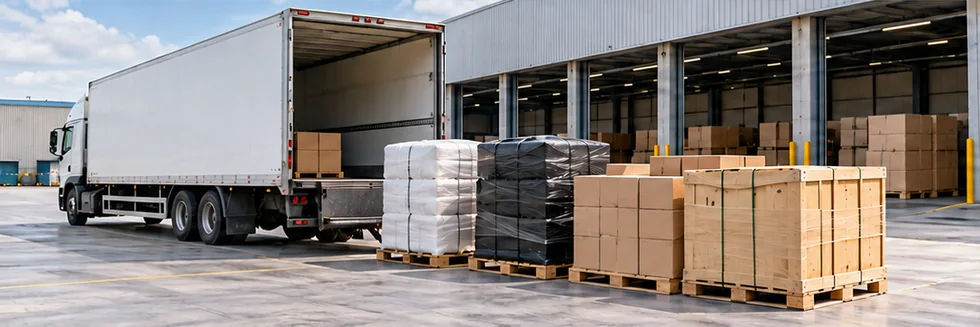
Less-than-truckload (LTL) road freight shares truck and terminal space among multiple shipments. Shipment density, pallet dimensions, hub transfer, minimum shipment, and handling class determine the service economics. Collection, cross-docking, line haul, sorting, and delivery create more handling stages than many dedicated-truck moves. Different networks use different charging conventions, so a per-kilogram headline does not fully describe the purchase.
Key Applications & Industrial Demand
Small manufacturers, distributors, retailers, and business suppliers use LTL for consignments below a full truck's useful capacity. Demand follows replenishment and regional distribution. Stackability, fragility, dimensions, delivery access, and pickup frequency affect how efficiently a shipment fits into the shared network.
Key Factors Influencing Less-Than-Truckload (LTL) Road Freight Price Movements
- Space and Weight: Shipment density, pallet dimensions, weight, stackability, and minimum shipment charges determine the billed transport quantity.
- Network Handling: Hub transfer, terminal count, line-haul route, delivery density, and handling class influence labor and transit complexity.
- Collection and Delivery: Tail lifts, appointments, residential access, limited-access sites, waiting, and proof-of-delivery services can add charges to basic LTL movement.
How to Interpret Less-Than-Truckload (LTL) Road Freight Pricing Data
Compare total costs for the same pallet dimensions, mass, cargo, lane, and pickup-delivery conditions. Apply the network's actual volumetric or classification rules rather than assuming one universal LTL formula. Minimums, non-stackable treatment, loading equipment, and delivery appointments can dominate the invoice for a small shipment.
Further reading: DHL Freight: Groupage and Road Transport
Frequently Asked Questions About Less-than-truckload (LTL) road freight
What Drives Price Changes for Less-Than-Truckload (LTL) Road Freight?
Shared-network capacity, fuel, labor, shipment density, route demand, and terminal handling influence LTL prices.
How Do Quality or Specification Differences Affect Less-Than-Truckload (LTL) Road Freight Pricing?
Transit pattern, handling frequency, cargo protection, stackability, pickup, and delivery scope distinguish LTL service packages.
Why Can Local Less-Than-Truckload (LTL) Road Freight Prices Differ From Global Benchmarks?
Terminal networks, delivery density, local access, minimums, tolls, and regional freight balance create geographic differences.