


Understanding Landfill fee Prices
Market Overview & Supply Chain Dynamics
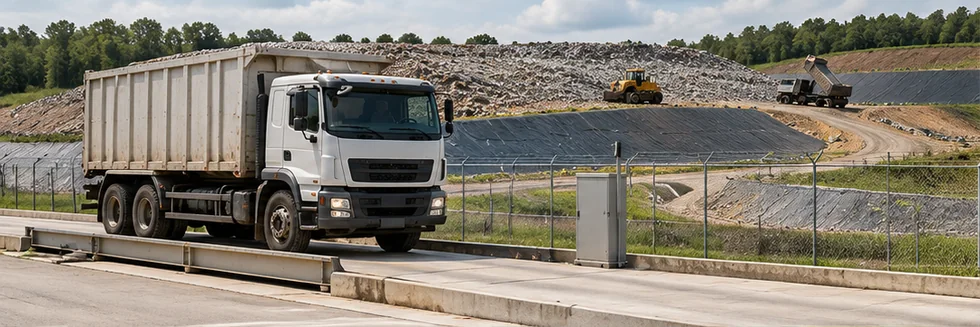
Landfill Fee schedules cover disposal capacity and facility operations, with a tipping fee commonly calculated from weighbridge mass. Waste acceptance rules establish which loads can enter. Leachate management and closure obligations add costs extending beyond the truck's visit. A Singapore dollar per-tonne disposal tariff must retain the specified receiving facility and waste category, rather than being treated as the price of collecting waste at a customer's premises.
Key Applications & Industrial Demand
Waste collectors, businesses, and construction or industrial operators require disposal for accepted residual material. Recycling, treatment, and waste-to-energy services follow separate routes. Restricted wastes, liquids, and contaminated loads may require different handling or be refused, even when a published general tariff is available.
Key Factors Influencing Landfill Fee Price Movements
- Permitted Capacity and Aftercare: Available landfill space, engineering, leachate systems, environmental controls, closure obligations, and aftercare influence the cost of providing disposal capacity.
- Load Classification and Mass: Waste acceptance, weighbridge readings, contamination, density, and minimum-load rules determine the receiving tariff and billable quantity.
- Policy and Facility Access: Disposal levies, operating schedules, transport distance, facility restrictions, and alternative treatment capacity affect the full cost of accessing a legal disposal route.
How to Interpret Landfill Fee Pricing Data
Read dollars per tonne for the named facility and accepted category. Separate the gate fee from truck collection, haulage, sorting, and any disposal levy not already included. Minimum loads and weighing rules can change small-load costs. A waste-to-energy receiving charge or hazardous treatment fee should not be labeled as an equivalent general-landfill quotation.
Further reading: Singapore NEA: Waste Collection and Disposal Arrangements US EPA: Municipal Solid Waste Landfills
Frequently Asked Questions About Landfill fee
What Drives Price Changes for Landfill Fee?
Disposal capacity, environmental controls, operating costs, levies, and tariff revisions move gate fees. Waste classification can change the applicable charge even when total load mass is unchanged.
How Do Quality or Specification Differences Affect Landfill Fee Pricing?
Compare accepted waste category, mass basis, contamination limits, minimum charges, and facility service. A general landfill and a specialist hazardous disposal facility provide different permitted functions.
Why Can Local Landfill Fee Prices Differ From Global Benchmarks?
Land availability, environmental requirements, levies, transport distances, and alternative treatment capacity differ. Local collection quotations also include services absent from a landfill-only gate fee.