This is the latest available source quote. It has not been updated recently; the displayed quote time remains unchanged until a newer valid quote is available.
Price history
Each source has its own currency and unit · Sources may update at different intervals
Definition: Aromatic rice marketed for its characteristic fragrance and cooking texture.
Key Specifications and Terms:
aromatic variety: Varietal identity underpins the product's fragrance.
2-acetyl-1-pyrroline: This compound contributes to rice aroma.
crop age: Storage time can affect fragrance and cooking behavior.
varietal purity: Mixing affects consistency and authenticity.
broken fraction: Whole-grain proportion influences appearance and price.
Understanding Jasmine rice Prices
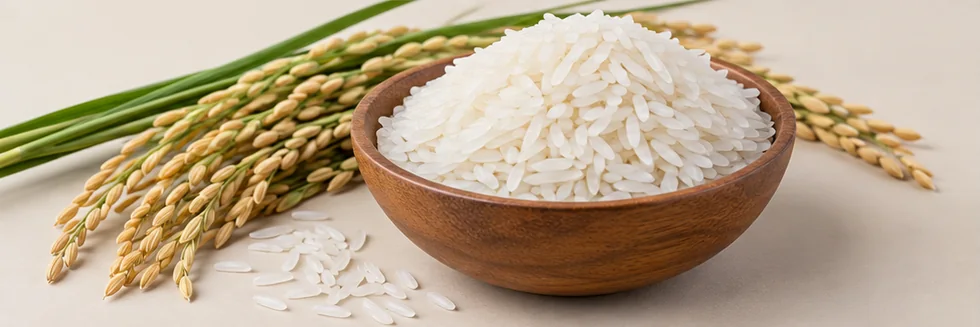
Illustrative image for the Jasmine Rice market guide.
Market Overview & Supply Chain Dynamics
Jasmine Rice is an aromatic variety market rather than a synonym for all long-grain white rice. Fragrance associated with 2-acetyl-1-pyrroline, varietal purity, crop age, and broken fraction shape commercial quality. Milling and storage must preserve the grain's identity and appearance. Different origins and declared varieties require separate evaluation even when all are described as jasmine.
Key Applications & Industrial Demand
Household cooking, restaurants, premium retail packs, and export distributors value jasmine rice for aroma and texture. Buyers serving particular cuisines may favor either newly harvested grain or an aged cooking profile, so the preferred crop age varies with the customer.
Varietal Identity: Aromatic variety and varietal purity influence authenticity, consistency, and the premium buyers pay over nonaromatic rice.
Fragrance and Age: 2-acetyl-1-pyrroline-related aroma and crop age change with grain handling and storage, affecting the preferred cooking profile.
Whole-Grain Supply: Broken fraction, harvest conditions, milling recovery, and origin-specific demand determine availability of premium whole-kernel jasmine lots.
How to Interpret Jasmine Rice Pricing Data
Compare prices per kilogram or metric ton for the declared variety, origin, crop year, and broken percentage. Establish whether the lot is a verified varietal product or an aromatic blend. Retail branding and pack size create further differences from bulk export offers.