


Understanding Isopropyl alcohol Prices
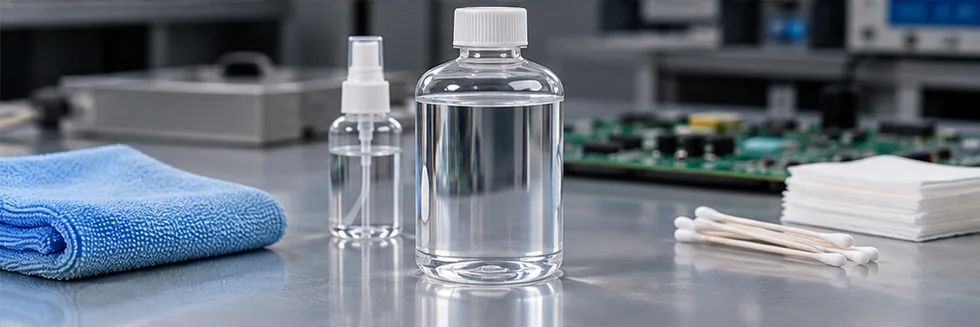
Market Overview & Supply Chain Dynamics
Isopropyl Alcohol is a water-miscible solvent commonly manufactured by propylene hydration or acetone hydrogenation. Its water miscibility and evaporation rate make it useful for cleaning and formulation, but buyers distinguish ordinary technical material from electronic grade. Water, acidity, and nonvolatile residue are commercially important because contamination left after drying can damage the very surface being cleaned. Purification, dedicated packaging, and clean distribution therefore create premiums beyond simple IPA assay.
Key Applications & Industrial Demand
Electronics assembly uses IPA for precision cleaning, while coatings, inks, personal-care formulations, and industrial maintenance use broader solvent grades. Diluted cleaning formulations serve different requirements from near-anhydrous material. Demand depends on both manufacturing activity and the qualification standards of the consuming process.
Key Factors Influencing Isopropyl Alcohol Price Movements
- Propylene and Acetone Routes: Propylene hydration and acetone hydrogenation respond to different feedstock margins, so changes in either chain can affect regional IPA availability.
- Cleanliness Premium: Electronic grade production requires stringent nonvolatile residue, ionic-contamination, and water limits, plus packaging that preserves those specifications.
- Solvent Consumption: Electronics cleaning, printing, coatings, and formulation orders influence purchasing, while evaporation rate and water miscibility limit substitution in qualified processes.
How to Interpret Isopropyl Alcohol Pricing Data
Bulk IPA is often quoted per metric ton, while drums and smaller packs may use liters or kilograms. Compare actual alcohol strength and packaging return terms. Electronic-cleaning offers should identify trace-contaminant and residue limits rather than relying on a general industrial label.
Further reading: Eastman Solvent Selector
Frequently Asked Questions About Isopropyl alcohol
What drives price changes for Isopropyl Alcohol?
Propylene or acetone costs, IPA operating rates, electronics activity, and solvent demand shape prices. Purified-grade availability can tighten separately from ordinary technical IPA.
How do quality or specification differences affect Isopropyl Alcohol pricing?
Assay alone is insufficient. Water, ionic contamination, nonvolatile residue, acidity, and packaging cleanliness determine suitability for precision cleaning and support higher-grade premiums.
Why can local Isopropyl Alcohol prices differ from global benchmarks?
Drum filling, dangerous-goods freight, clean warehousing, import taxes, and local purification capacity affect delivered cost. Small cleanroom packs include substantial handling value.