


Understanding Industrial connectors Prices
Market Overview & Supply Chain Dynamics
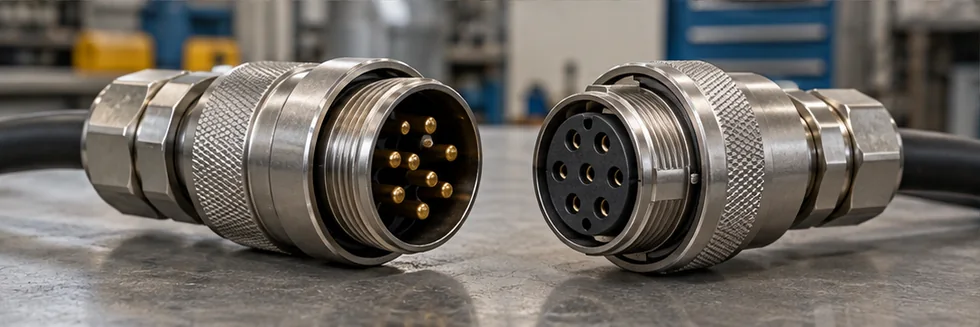
Industrial connectors join power, signals, or data through mechanically secured electrical contacts. Contact count, current rating, IP rating, mating cycles, and shielding define very different connection systems. Production involves contact forming or machining, plating, insulating housings, seals, and assembly. A connector's environmental performance depends on the correctly mated assembly and cable termination; buying a robust-looking shell does not establish a complete protected connection.
Key Applications & Industrial Demand
Factory automation, robotics, drives, instrumentation, rail equipment, and outdoor machinery use industrial connectors. Buyers select circular, rectangular, terminal, or data-specific designs around space, vibration, service access, and electrical requirements. Replacement demand often centers on compatibility with equipment already installed at a plant.
Key Factors Influencing Industrial Connectors Price Movements
- Electrical Contacts: Contact count, current rating, plating, conductor range, and signal integrity determine contact materials and the number of connection functions supplied.
- Environmental Construction: IP rating, shielding, vibration resistance, seals, locking hardware, and mating cycles influence durability and qualification for harsh installations.
- Assembly and Compatibility: Preterminated cables, keyed variants, tooling, replacement compatibility, and availability of matching mating halves affect procurement and installation cost.
How to Interpret Industrial Connectors Pricing Data
Offers may cover a plug, receptacle, insert, contact, hood, or complete cable assembly. Establish which pieces are included before comparing price per connector. Contact plating, conductor size, locking mechanism, cable-gland range, and environmental certification can change the cost far more than the outer housing dimensions.
Further reading: Phoenix Contact: Connectors
Frequently Asked Questions About Industrial connectors
What drives price changes for Industrial Connectors?
Metal content, contact plating, environmental construction, cable-assembly labor, and demand for approved connection systems influence connector pricing.
How do quality or specification differences affect Industrial Connectors pricing?
Current capacity, ingress protection, contact durability, shielding, temperature range, and certification define the connection's industrial suitability.
Why can local Industrial Connectors prices differ from global benchmarks?
Specialized mating halves, local assembly, urgent maintenance stock, application support, and small orders add costs beyond standard factory components.