


Understanding Hydrochloric acid 32% Prices
Market Overview & Supply Chain Dynamics
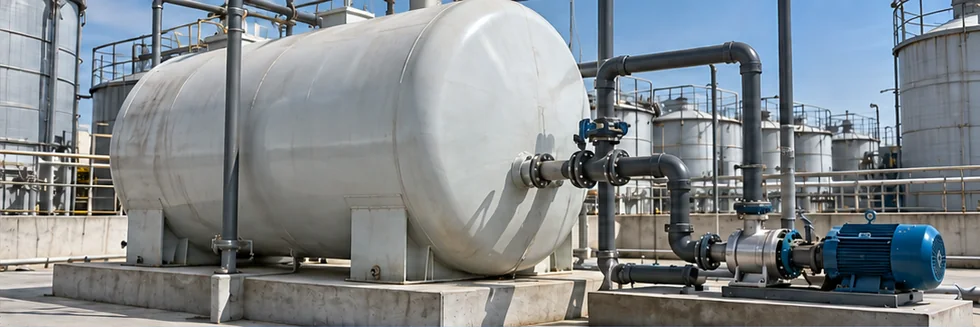
Hydrochloric Acid 32% is hydrogen chloride dissolved in water at a nominal 32% concentration. Merchant supply comes from direct synthesis or chemical-process recovery, followed by absorption and quality control. Iron contamination matters to customers making sensitive chemicals, while steel pickling tolerates a different impurity profile. Corrosion-resistant tanks and lined transfer equipment are an essential part of the delivered supply chain, so nearby bulk supply can have a substantial cost advantage over distant drums.
Key Applications & Industrial Demand
Steel mills consume hydrochloric acid to remove scale before coating and fabrication. Water-treatment operations use it for acidity adjustment, while chemical manufacturers purchase controlled-purity acid for chloride production and other reactions. Each outlet requires a different impurity tolerance and delivery arrangement.
Key Factors Influencing Hydrochloric Acid 32% Price Movements
- Chlorine Balance: Operating rates in chlorine-related chemical production can change the availability of synthetic or recovered hydrogen chloride and shift merchant supply.
- Acid Purity: Iron contamination, organic residues, and assay determine whether acid can serve sensitive synthesis work or ordinary steel pickling.
- Delivered Concentration: The 32% concentration and corrosion-resistant tanks determine effective acid delivered, transport efficiency, unloading requirements, and the viability of long-distance sourcing.
How to Interpret Hydrochloric Acid 32% Pricing Data
Bulk transactions are often priced per metric ton of solution. At 32% strength, much of that shipped weight is water; compare acid concentration before assessing value against a stronger solution. Drum, IBC, and tanker quotations also carry different packaging and unloading costs.
Further reading: OxyChem Chlor-Alkali Products and Technical Handbooks
Frequently Asked Questions About Hydrochloric acid 32%
What drives price changes for Hydrochloric Acid 32%?
Chemical-plant operating rates, local pickling demand, tanker availability, and acid-storage constraints influence prices. Regional shortages can emerge even when chlorine production is strong elsewhere.
How do quality or specification differences affect Hydrochloric Acid 32% pricing?
Acid assay and limits on iron, free chlorine, and organics distinguish grades. High-purity material generally requires tighter production control than ordinary industrial pickling acid.
Why can local Hydrochloric Acid 32% prices differ from global benchmarks?
Shipping a corrosive aqueous liquid is expensive relative to its contained acid. Tanker return trips, compatible storage, packaging, and nearby plant output create strong regional differences.