


Understanding Grade A copper cathode Prices
Market Overview & Supply Chain Dynamics
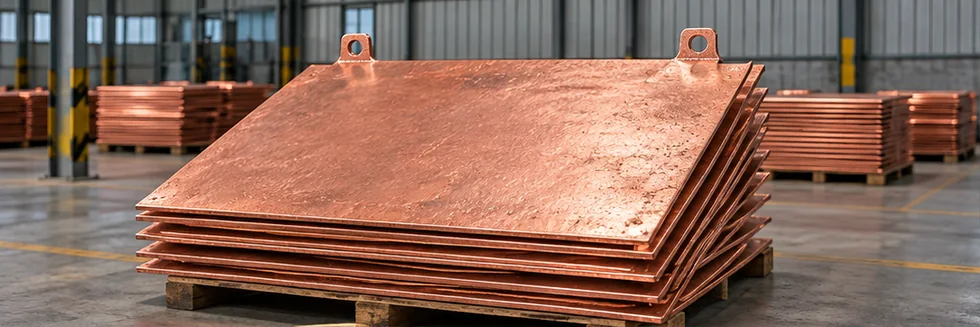
Grade A Copper Cathode is refined copper sold with controlled trace impurities and appropriate certification. Electrorefining or electrowinning can produce cathodes, while Cu-CATH-1 and related specifications define accepted chemistry. A registered brand matters for exchange-deliverable metal, but physical premium terms still reflect warehouse location, availability, and delivery. The cathode's gross copper identity therefore does not capture every trading condition.
Key Applications & Industrial Demand
Wire-rod mills, tube makers, strip producers, and alloy plants melt cathode for electrical, construction, and industrial products. High conductivity and clean melting support demanding downstream processes. Each customer may maintain brand and origin requirements beyond the minimum chemical grade.
Key Factors Influencing Grade A Copper Cathode Price Movements
- Mine-to-Refinery Supply: Mine output, concentrate availability, refining operations, and inventories affect the amount of refined copper available to consuming regions.
- Grade and Deliverability: Cu-CATH-1 chemistry, trace impurities, electrorefining quality, and registered brand status determine the markets in which a cathode can be accepted.
- Regional Metal Availability: Physical premium, warehouse position, freight, and wire-rod demand change the cost of obtaining usable cathode at a particular factory.
How to Interpret Grade A Copper Cathode Pricing Data
Copper cathode is often valued in US dollars per metric ton against an exchange reference plus or minus a physical premium. Match quotation date, prompt basis, brand, taxes, and delivery point. A futures value alone is not a delivered factory price.
Further reading: LME Grade A Copper Chemical Specification
Frequently Asked Questions About Grade A copper cathode
What Drives Price Changes for Grade A Copper Cathode?
Copper inventories, mine and refinery disruptions, industrial demand, financing, and exchange trading move benchmark values. Regional cathode scarcity separately influences physical premiums.
How Do Quality or Specification Differences Affect Grade A Copper Cathode Pricing?
Grade chemistry, impurity limits, brand approval, origin documentation, and physical condition affect acceptance. Exchange deliverability requires more than an informal claim of high purity.
Why Can Local Grade A Copper Cathode Prices Differ From Global Benchmarks?
Freight, duties, warehouse access, financing, taxes, and local rod-mill demand change premiums. These costs can widen even when the international copper benchmark is stable.