


Understanding General cargo handling fee Prices
Market Overview & Supply Chain Dynamics
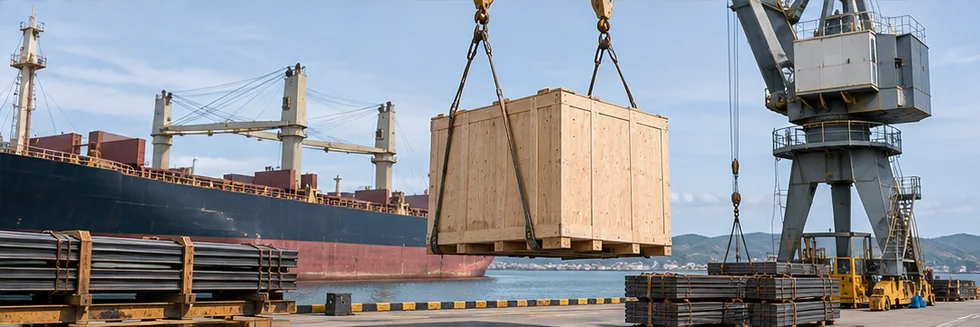
A general cargo handling fee covers terminal work for breakbulk items such as crates, bundles, machinery, and other separately handled pieces. Revenue tonne rules, lifting gear, labor gang requirements, and heavy lift treatment determine the charged operation. This market differs from standard container lifts because dimensions, packaging, lifting points, and cargo fragility can change every movement. Terminal access and the transfer between ship, quay, truck, or storage also define scope.
Key Applications & Industrial Demand
Industrial shippers, equipment suppliers, project forwarders, steel traders, and vessel operators arrange general cargo handling. Demand follows machinery deliveries, construction projects, and breakbulk trade. Operational planning must accommodate weights, centers of gravity, slings, weather protection, and the receiving vehicle or storage layout.
Key Factors Influencing General Cargo Handling Fee Price Movements
- Cargo Geometry: Breakbulk dimensions, weights, packaging, lifting points, and heavy lift requirements determine handling equipment and operational planning.
- Labor and Equipment: Lifting gear, labor gang, crane ownership, standby, and special rigging influence the cost of the actual movement.
- Charging Basis: Revenue tonne definitions, minimums, transfer legs, storage movements, and taxes determine how the quoted tariff becomes an invoice.
How to Interpret General Cargo Handling Fee Pricing Data
Read whether the tariff uses weight, volume, piece, lift, or a revenue-tonne comparison. Describe the cargo and transfer leg precisely. Rigging, heavy-lift cranes, storage, surveys, securing, and delays may be additional. A low general-cargo line cannot price an unusual project lift without a cargo-specific work plan.
Further reading: Taiwan International Ports: Cargo Handling Tariff
Frequently Asked Questions About General cargo handling fee
What Drives Price Changes for General Cargo Handling Fee?
Cargo complexity, crane and labor availability, terminal rates, volume, and project schedules influence general-cargo handling offers.
How Do Quality or Specification Differences Affect General Cargo Handling Fee Pricing?
Lifting method, rigging, care requirements, piece weight, and transfer scope determine the service quality and equipment commitment.
Why Can Local General Cargo Handling Fee Prices Differ From Global Benchmarks?
Port equipment, labor rules, access, cargo mix, and local measurement conventions create geographic differences in handling costs.