


Understanding Frozen octopus Prices
Market Overview & Supply Chain Dynamics
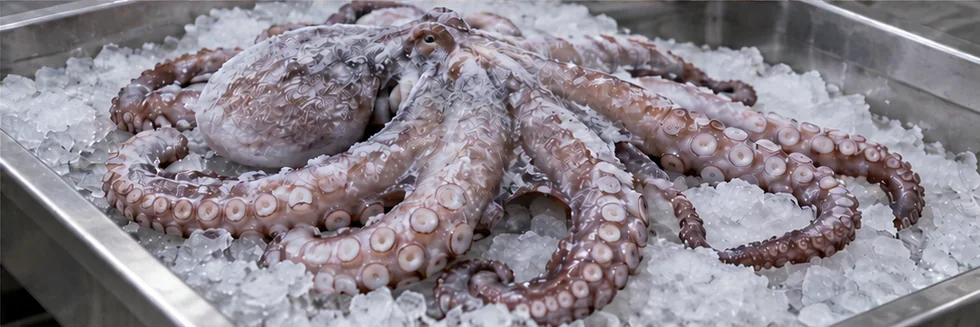
Frozen Octopus requires species and size grading because different animals serve different culinary markets. Cleaned weight separates prepared output from whole-animal mass, while tentacle integrity affects presentation. Tenderization and other processing can change texture and recovery. Raw frozen, cooked, cleaned, and individually portioned octopus therefore carry distinct specifications and costs.
Key Applications & Industrial Demand
Mediterranean-style cooking, Asian seafood dishes, restaurant appetizers, and prepared-food operations use different sizes and texture targets. Whole attractive animals and cooked tentacle portions command value for different reasons.
Key Factors Influencing Frozen Octopus Price Movements
- Fishery and Size: Species, fishing availability, size grading, and seasonal landings determine supply for the buyer's intended dish.
- Preparation and Texture: Cleaned weight, tenderization, cooking, and tentacle integrity affect edible recovery and presentation value.
- Storage and Culinary Orders: Frozen inventories, cold freight, restaurant demand, and destination preferences influence price premiums across octopus forms.
How to Interpret Frozen Octopus Pricing Data
Read prices per net kilogram with species, cleaning, size convention, raw or cooked state, and treatment specified. State glaze and pack. A cooked tentacle price includes substantial preparation and cooking yield absent from a whole raw frozen quotation.
Further reading: FAO/Codex: Fishery Product Processing
Frequently Asked Questions About Frozen octopus
What drives price changes for Frozen Octopus?
Species-specific catches, desired sizes, processing recovery, freezer stocks, and restaurant demand influence octopus prices.
How do quality or specification differences affect Frozen Octopus pricing?
Species, size, cleaning, tentacle condition, texture treatment, raw or cooked status, and net weight distinguish products.
Why can local Frozen Octopus prices differ from global benchmarks?
Tenderization, cooking, portioning, freight, import requirements, and local culinary preferences add different costs to each presentation.