


Understanding Fresh mango Prices
Market Overview & Supply Chain Dynamics
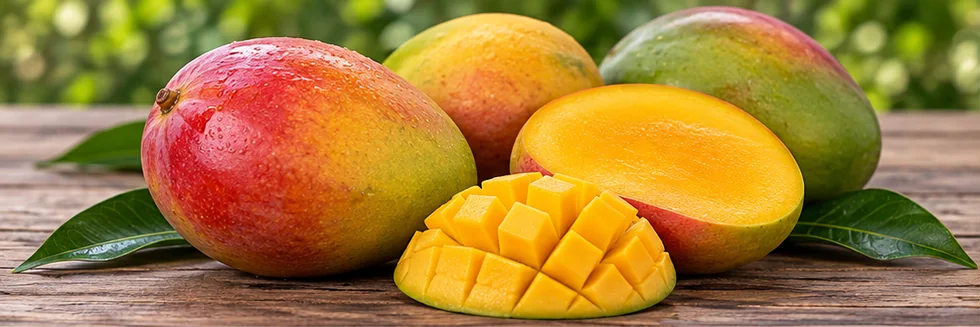
Fresh Mango quality depends on flesh maturity, cultivar, and handling rather than red skin blush alone. Fiber content affects eating texture; sapburn can mark the peel during harvest. Anthracnose may become visible as fruit ripens, and chilling injury can impair the delivered crop. Export packout therefore depends on condition at both dispatch and the intended selling stage.
Key Applications & Industrial Demand
Whole-fruit retail, restaurant use, fresh-cut packs, and pulp processing require different size, texture, and maturity. Export programs may additionally need destination-specific phytosanitary handling that affects packing schedules and cost.
Key Factors Influencing Fresh Mango Price Movements
- Cultivar and Ripeness: Flesh maturity and fiber content influence flavor, eating quality, processing recovery, and suitability for long-distance shipment.
- Defect Control: Sapburn, anthracnose, chilling injury, bruising, and skin abrasion affect premium packout and arrival claims.
- Export Window: Harvest timing, treatment capacity, air or sea freight, and competing origin seasons influence the supply of market-ready mangoes.
How to Interpret Fresh Mango Pricing Data
Compare currency per kilogram or net carton for the same cultivar, size count, maturity, treatment, and arrival condition. Whole-fruit export prices should not be compared directly with processing-grade mangoes or peeled flesh, whose yields and handling differ.
Further reading: UC Davis: Mango Maturity and Quality
Frequently Asked Questions About Fresh mango
What drives price changes for Fresh Mango?
Cultivar harvest windows, export-grade packout, weather, treatment capacity, and destination demand influence mango prices.
How do quality or specification differences affect Fresh Mango pricing?
Cultivar, maturity, size, fiber, skin defects, treatment, and remaining ripening life determine the commercial grade.
Why can local Fresh Mango prices differ from global benchmarks?
Phytosanitary treatment, protective packing, freight mode, ripening management, losses, and local varietal preferences create regional premiums.