


Understanding Fresh durian Prices
Market Overview & Supply Chain Dynamics
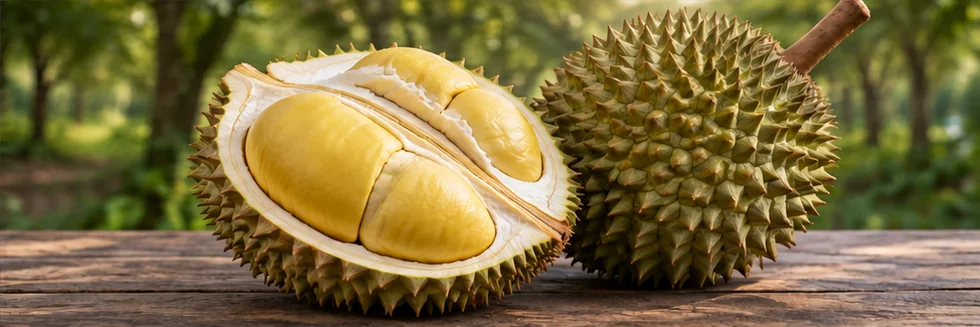
Fresh Durian is traded by cultivar and ripening stage, with dry matter and harvest maturity influencing the flesh buyers receive. Aril yield separates edible value from whole-fruit weight. Dehiscence and rapid softening can restrict the marketing window, so a firm export fruit and a locally tree-ripened durian may represent different purchasing propositions rather than simple grade differences.
Key Applications & Industrial Demand
Whole-fruit specialists, dessert makers, restaurants, and pulp processors value characteristic aroma, sweetness, bitterness, creaminess, and seed-to-flesh balance. Named-cultivar demand can create substantial premiums within the same producing region.
Key Factors Influencing Fresh Durian Price Movements
- Variety and Eating Quality: Cultivar, dry matter, flesh texture, and flavor determine buyer preference and premium-market eligibility.
- Edible Recovery: Aril yield, seed size, internal defects, and uneven ripening influence how much saleable flesh a whole-fruit purchase provides.
- Ripening Logistics: Ripening stage, dehiscence risk, harvest timing, export handling, and transport duration determine marketable availability.
How to Interpret Fresh Durian Pricing Data
Compare prices per kilogram of whole fruit separately from peeled arils or pulp. Retain cultivar, origin, maturity, handling, and rejection rules. Shell and seed weight, edible recovery, freight, and the time remaining before splitting affect usable cost.
Further reading: FAO: Tropical Fruit Market Information
Frequently Asked Questions About Fresh durian
What drives price changes for Fresh Durian?
Cultivar harvests, export demand, maturity-grade recovery, weather, and the short marketing window influence fresh-durian prices.
How do quality or specification differences affect Fresh Durian pricing?
Cultivar, maturity, flesh yield, texture, seed proportion, internal defects, and splitting condition distinguish whole-fruit offers.
Why can local Fresh Durian prices differ from global benchmarks?
Varietal preferences, export selection, packing, transport restrictions, edible yield, and rapid ripening create location-specific costs.