


Understanding Fresh chili Prices
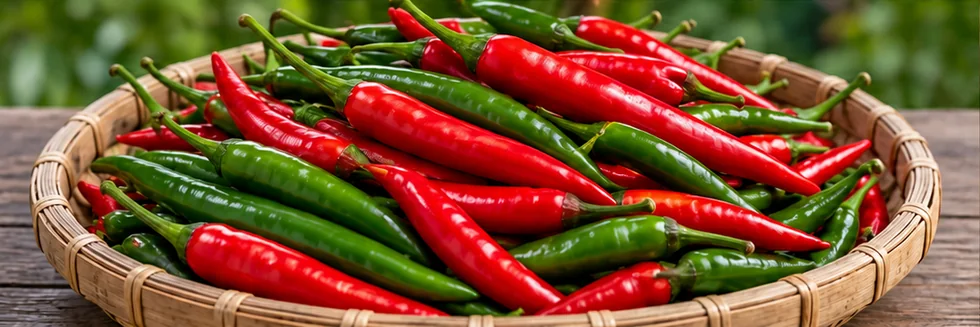
Market Overview & Supply Chain Dynamics
Fresh Chili encompasses Capsicum cultivars with very different capsaicinoids, dimensions, and flavor. Cultivar and color stage distinguish green cooking peppers from fully colored fruit. Firmness and stem condition indicate handling and freshness, while bruising or decay can rapidly reduce saleable yield. A generic chili price therefore cannot represent every heat level or regional culinary type.
Key Applications & Industrial Demand
Fresh sauces, pickles, restaurant cooking, retail packs, and chili-processing plants buy for specific heat and fruit characteristics. Some processors prioritize uniform pungency and solids, whereas visible fresh packs emphasize appearance and stem freshness.
Key Factors Influencing Fresh Chili Price Movements
- Heat and Variety: Cultivar and capsaicinoids define culinary suitability, creating distinct markets for mild, hot, and extremely pungent peppers.
- Fresh Condition: Color stage, firmness, stem condition, shriveling, and decay determine packout and the remaining marketing window.
- Crop and Processing Demand: Harvest weather, plant productivity, picking labor, sauce orders, and drying demand influence local fresh-chili supply.
How to Interpret Fresh Chili Pricing Data
Compare currency per kilogram for the same cultivar, color stage, heat expectation, and pack. Separate fresh peppers from dried chili, powder, or extract. Cooling, grading, and rejection losses can materially change delivered cost per usable kilogram.
Further reading: UC Davis: Produce Quality and Handling
Frequently Asked Questions About Fresh chili
What drives price changes for Fresh Chili?
Harvest yields, weather, picking labor, preferred cultivar availability, and demand from fresh cooking or processing influence prices.
How do quality or specification differences affect Fresh Chili pricing?
Variety, heat, color, size, firmness, stem condition, and defects determine which culinary or processing outlet can use the fruit.
Why can local Fresh Chili prices differ from global benchmarks?
Regional heat preferences, perishable handling, labor, cooling, freight, and local crop timing create market-specific premiums.