


Understanding Fresh apples Prices
Market Overview & Supply Chain Dynamics
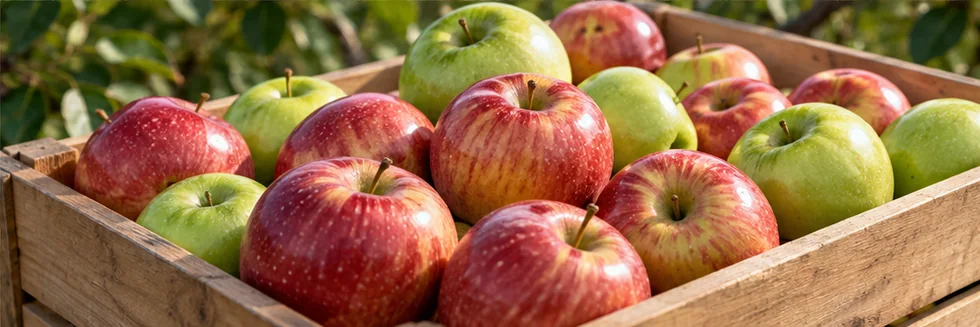
Fresh Apples are sorted by cultivar, size, color, and condition after maturity assessment that can include firmness and starch index. Controlled atmosphere storage can extend the selling season, but storage disorders and decay still affect packout. Newly harvested and stored apples therefore carry different holding costs and condition risks even within the same named variety.
Key Applications & Industrial Demand
Retailers and foodservice buyers purchase crisp whole fruit, while fresh-cut and processing markets accept different specifications. Branded cultivars and color-sensitive retail programs can produce premiums unrelated to the price of apples sold for juice.
Key Factors Influencing Fresh Apples Price Movements
- Variety and Maturity: Cultivar, firmness, starch index, color, and harvest timing determine the crop's eating quality and storage potential.
- Storage Recovery: Controlled atmosphere costs, disorders, decay, and packout determine how much premium fruit remains available later in the season.
- Grade Demand: Retail promotions, preferred sizes, export requirements, processing outlets, and freight influence premiums for particular fresh grades.
How to Interpret Fresh Apples Pricing Data
Compare prices per kilogram or standard carton for the same cultivar, caliber, grade, and crop year. Identify net pack weight and storage history. Wholesale fresh-fruit prices should be separated from processing apples and retail bag prices.
Further reading: UC Davis: Produce Quality and Storage
Frequently Asked Questions About Fresh apples
What drives price changes for Fresh Apples?
Crop size, cultivar mix, fresh-grade recovery, storage stocks, export orders, and retail demand influence apple prices.
How do quality or specification differences affect Fresh Apples pricing?
Cultivar, size, color, firmness, maturity, defects, and storage condition distinguish premium fresh apples from lower-grade or processing fruit.
Why can local Fresh Apples prices differ from global benchmarks?
Storage duration, carton style, grading, freight, import access, and local cultivar preferences create regional premiums.