


Understanding Food-grade modified starch Prices
Market Overview & Supply Chain Dynamics
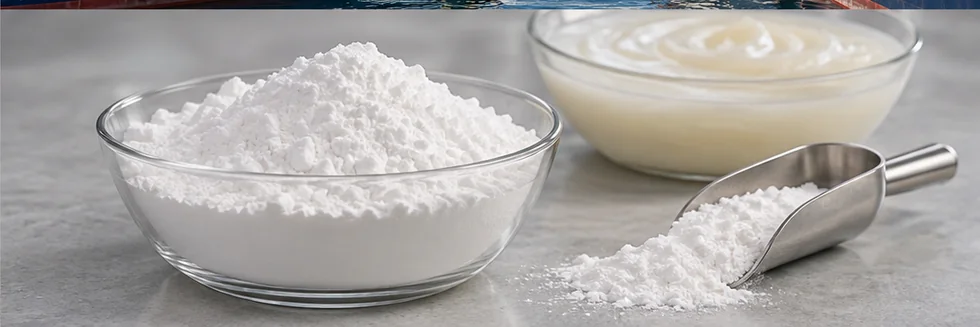
Food-Grade Modified Starch is engineered for behavior that native starch may not deliver consistently. Cross-linking, substitution, or pregelatinization can change thickening, processing tolerance, or preparation requirements. Freeze-thaw stability and acid tolerance matter in specific foods. The botanical origin and modification type remain part of the product identity; a generic modified-starch label does not establish interchangeability.
Key Applications & Industrial Demand
Sauces, dressings, frozen meals, dairy desserts, bakery fillings, and instant mixes require different starch solutions. A cold-swelling powder and a cook-up starch resistant to heat and shear solve different formulation problems.
Key Factors Influencing Food-Grade Modified Starch Price Movements
- Modification Route: Cross-linking, substitution, and pregelatinization use different processing steps and create distinct production and qualification costs.
- Application Performance: Freeze-thaw stability, acid tolerance, shear resistance, and desired texture determine which grade can satisfy the food formulation.
- Ingredient Compliance: Botanical origin, permitted use, testing, traceability, and batch consistency affect eligibility and the value of qualified supply.
How to Interpret Food-Grade Modified Starch Pricing Data
Compare ingredient prices per kilogram with the exact functional grade and permitted food use. Evaluate dose, process conditions, labeling, and finished-food performance. A cheaper powder may cost more in use if it requires a larger dose or fails storage stability.
Further reading: FAO/WHO: Food Additive Specifications
Frequently Asked Questions About Food-grade modified starch
What drives price changes for Food-Grade Modified Starch?
Base-starch costs, modification chemistry, energy, manufacturing capacity, and demand for specialized food functionality influence prices.
How do quality or specification differences affect Food-Grade Modified Starch pricing?
Modification type, botanical origin, viscosity, heat and acid tolerance, cold swelling, and freeze-thaw performance distinguish functional grades.
Why can local Food-Grade Modified Starch prices differ from global benchmarks?
Local food approvals, distributor stocks, technical support, import costs, and customer qualification add premiums beyond native-starch commodity prices.