


Understanding Fluorspar acid grade Prices
Market Overview & Supply Chain Dynamics
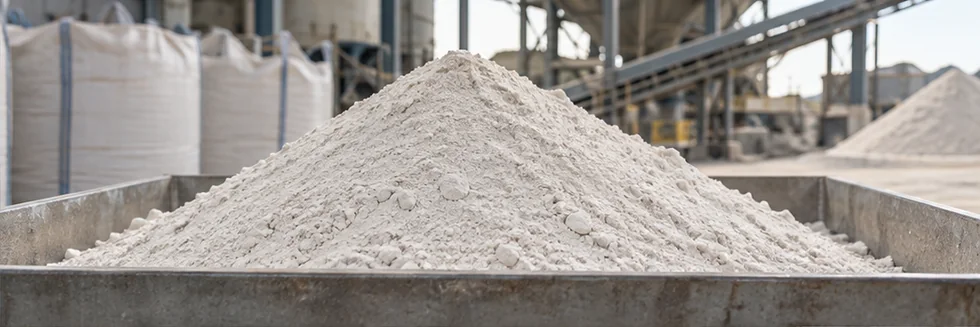
Fluorspar Acid Grade is a flotation concentrate with tightly controlled calcium fluoride, silica, carbonate, and other impurities for hydrofluoric acid manufacture. Mining and beneficiation separate fluorite from associated minerals, then drying and handling prepare the product for chemical plants. Acid grade differs from metallurgical fluorspar: both contain CaF2, but their chemistry, physical form, and intended processing are not equivalent.
Key Applications & Industrial Demand
Hydrofluoric-acid producers convert suitable concentrate into fluorine intermediates for refrigerants, fluoropolymers, aluminum-related chemicals, and other applications. The downstream chemical chain determines demand. Metallurgical customers buying lump flux material follow a different specification and purchasing pattern.
Key Factors Influencing Fluorspar Acid Grade Price Movements
- Beneficiation Yield: Ore mineralogy, flotation recovery, mine availability, and drying energy affect the cost of producing acceptable flotation concentrate.
- Acid-Plant Chemistry: Calcium fluoride, silica, and carbonate determine usable fluorine and processing burdens, creating premiums for consistent low-impurity acid-grade feed.
- Fluorochemical Demand: Hydrofluoric acid operating rates, fluorochemical orders, environmental constraints, and freight influence the amount of concentrate chemical plants can economically purchase.
How to Interpret Fluorspar Acid Grade Pricing Data
Acid-grade fluorspar commonly trades per dry metric ton with CaF2 and impurity limits. State moisture, sizing, and delivery point. A metallurgical-fluorspar price or contained-fluorine calculation alone omits beneficiation quality and the acid plant's impurity constraints.
Further reading: USGS Fluorspar Statistics and Uses
Frequently Asked Questions About Fluorspar acid grade
What Drives Price Changes for Fluorspar Acid Grade?
Mine output, beneficiation capacity, HF production, energy, and shipment availability influence prices. Environmental or operating constraints can tighten qualified acid-grade supply.
How Do Quality or Specification Differences Affect Fluorspar Acid Grade Pricing?
CaF2 assay, silica, carbonate, sulfur-related impurities, moisture, and sizing matter. A higher mineral assay may not offset contaminants that complicate acid manufacture.
Why Can Local Fluorspar Acid Grade Prices Differ From Global Benchmarks?
Mine-to-port transport, drying, ocean freight, duties, storage, and nearby HF capacity affect delivered costs. Limited qualified concentrate can create regional premiums.