


Understanding Ferromanganese Prices
Market Overview & Supply Chain Dynamics
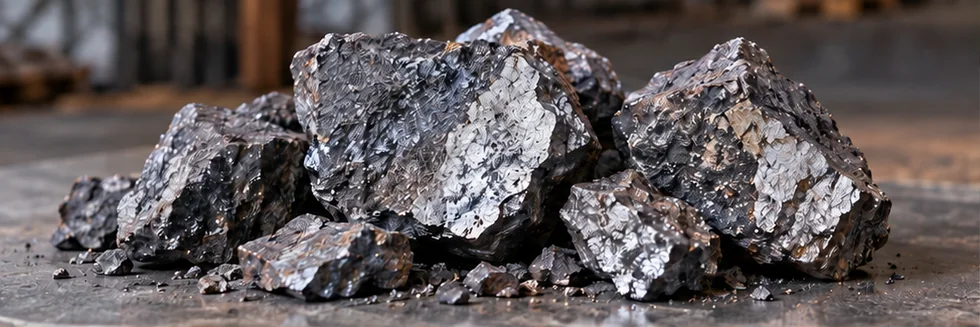
Ferromanganese is smelted from manganese-bearing feed with iron and reductants, then cast and sized. Manganese assay, carbon grade, lump size, and impurities distinguish products used for deoxidation and sulfur control. High-carbon material is not interchangeable with low-carbon grades in every steel recipe. Ore chemistry and refining effort therefore affect the price of saleable manganese units.
Key Applications & Industrial Demand
Carbon, alloy, and specialty-steel producers use ferromanganese to achieve the required composition and metallurgical balance. Purchasers match carbon and impurity contributions to the steel grade. Furnace recovery and dissolution behavior influence the amount of alloy needed in practice.
Key Factors Influencing Ferromanganese Price Movements
- Ore and Smelting Costs: Manganese ore, reductants, electricity, and furnace operating rates affect alloy supply, with refining adding cost to lower-carbon material.
- Contained-Metal Specification: Manganese assay and carbon grade govern usable additions, while phosphorus, sulfur, and other impurities can restrict applications in demanding steels.
- Charging Performance: Lump size and consistency affect dissolution and recovery, changing the cost of effective deoxidation and sulfur control within a steelmaking recipe.
How to Interpret Ferromanganese Pricing Data
Ferromanganese may be quoted per ton of alloy or on a contained-manganese basis. State carbon grade, assay, impurities, sizing, and freight. A high-carbon benchmark cannot represent a refined low-carbon alloy without accounting for its different chemistry and processing.
Further reading: USGS Manganese Industry Information
Frequently Asked Questions About Ferromanganese
What Drives Price Changes for Ferromanganese?
Manganese-ore costs, electricity, furnace utilization, steel output, and alloy stocks drive prices. Low-carbon refining capacity can create a distinct premium.
How Do Quality or Specification Differences Affect Ferromanganese Pricing?
Manganese content, carbon, phosphorus, sulfur, sizing, and consistency determine value. Steelmakers pay for chemistry that fits their grade without adding costly unwanted elements.
Why Can Local Ferromanganese Prices Differ From Global Benchmarks?
Power tariffs, ore access, inland freight, duties, and local steel grades influence prices. A consuming region's preference for certain carbon levels can change its alloy premium.