


Understanding Ethylene Prices
Market Overview & Supply Chain Dynamics
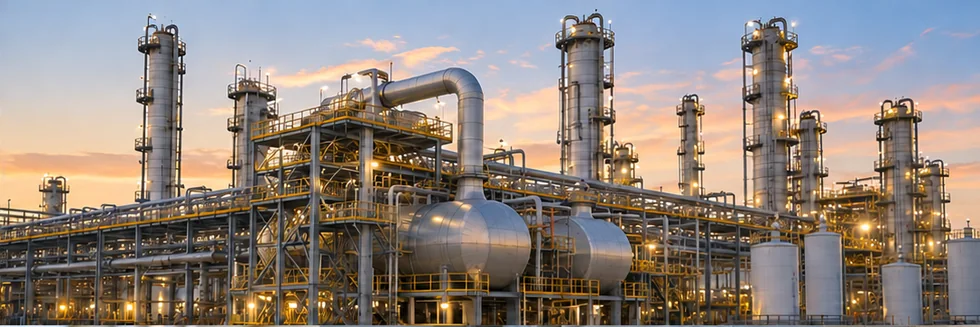
Ethylene is a gaseous two-carbon olefin produced mainly by steam cracking ethane, naphtha, or other hydrocarbons. Polymer-grade purity requires removal of water, acetylene, sulfur compounds, and other contaminants that interfere with downstream catalysts. Integrated sites consume much of their output directly in polyethylene or ethylene oxide plants. Merchant cargoes rely on cryogenic transport and specialized terminals, making freely available supply smaller than total production suggests.
Key Applications & Industrial Demand
Polyethylene packaging, pipes, and molded products account for a major part of ethylene demand. Additional consumption flows into glycols, vinyl intermediates, and chemical derivatives. Changes in downstream operating rates can therefore alter cracker economics without corresponding growth in merchant cargo buying.
Key Factors Influencing Ethylene Price Movements
- Cracker Feedstock Economics: Steam cracking economics change with ethane, naphtha, and energy prices, while coproduct credits affect which plants can sustain output.
- Derivative Operating Rates: Polyethylene and ethylene oxide utilization determine integrated consumption; derivative outages may release ethylene while cracker outages remove merchant supply.
- Specialized Cargo Capacity: Cryogenic transport, terminal access, and polymer-grade purity requirements limit arbitrage and can leave regional balances disconnected for extended periods.
How to Interpret Ethylene Pricing Data
Ethylene prices are commonly stated per metric ton, with pipeline contracts and refrigerated spot cargoes representing different markets. Freight, loading port, purity, and delivery window matter strongly. A regional contract settlement is not equivalent to an immediately available imported parcel.
Further reading: ICIS Petrochemical Price Methodology
Frequently Asked Questions About Ethylene
What drives price changes for Ethylene?
Cracker outages, feedstock costs, derivative demand, and refrigerated cargo availability move ethylene markets. Integrated consumption can leave little spare volume for spot customers.
How do quality or specification differences affect Ethylene pricing?
Polymer-grade material must meet strict impurity limits because contaminants can disrupt catalysts. Purification capability and the destination plant's specification affect acceptance and cost.
Why can local Ethylene prices differ from global benchmarks?
Pipelines, cryogenic ships, terminal capacity, and local integration determine access. An inland pipeline customer faces a different delivered balance from a seaborne spot buyer.