


Understanding EPDM Prices
Market Overview & Supply Chain Dynamics
EPDM combines ethylene, propylene, and a diene in an elastomer valued for ozone resistance. Diene content, ethylene content, Mooney viscosity, and oil extension define distinct commercial grades. Polymerization controls the backbone and cure sites before compounding. A grade designed for a roofing sheet may not suit a precision weather seal, even though both applications exploit outdoor durability.
Key Applications & Industrial Demand
Automotive weatherstrips, roofing membranes, cooling-system hoses, electrical applications, and industrial seals consume EPDM. Water and weather exposure often favor its use, while resistance to petroleum oils requires a separate material assessment. Extrusion speed and cure behavior are important to manufacturing economics.
Key Factors Influencing EPDM Price Movements
- Polymer Composition: Diene content and ethylene content influence cure response, crystallinity, and mechanical behavior, making grade selection specific to the finished application.
- Processing Window: Mooney viscosity and oil extension alter mixing energy, filler uptake, extrusion behavior, and the effective cost of polymer in a compound.
- Durability Demand: Ozone resistance supports roofing and weather-seal demand, while construction and automotive production cycles influence purchasing of approved EPDM grades.
How to Interpret EPDM Pricing Data
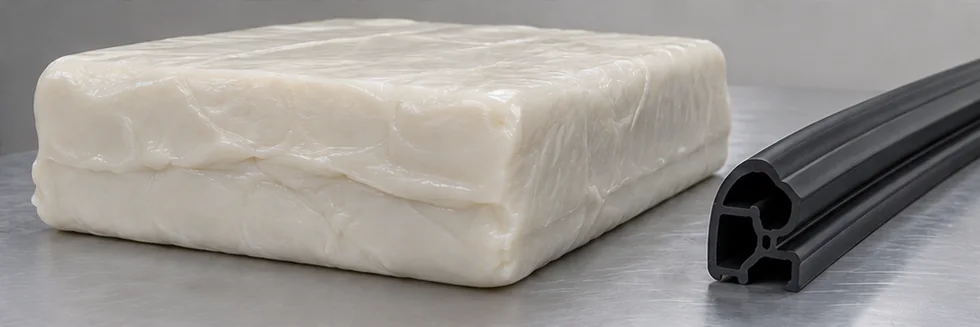
EPDM offers commonly use kilograms or metric tons of bale material. Declare whether a grade is oil-extended and identify viscosity and composition. Compare the polymer content and finished-compound performance rather than treating every kilogram of commercial bale as equivalent elastomer.
Further reading: ENEOS Ethylene-Propylene and Specialty Rubbers
Frequently Asked Questions About EPDM
What Drives Price Changes for EPDM?
Ethylene and propylene feedstocks, polymer capacity, automotive output, and roofing demand influence prices. Specialized extrusion or oil-extended grades may develop separate supply premiums.
How Do Quality or Specification Differences Affect EPDM Pricing?
Diene type and content, ethylene level, viscosity, oil extension, and cure behavior determine value. Two EPDM grades can process very differently in the same formulation.
Why Can Local EPDM Prices Differ From Global Benchmarks?
Import freight, duties, local compounder approvals, inventory, and building-season demand affect prices. Approved regional stocks can command premiums when replacement grades need lengthy trials.