


Understanding Electrical copper cables Prices
Market Overview & Supply Chain Dynamics
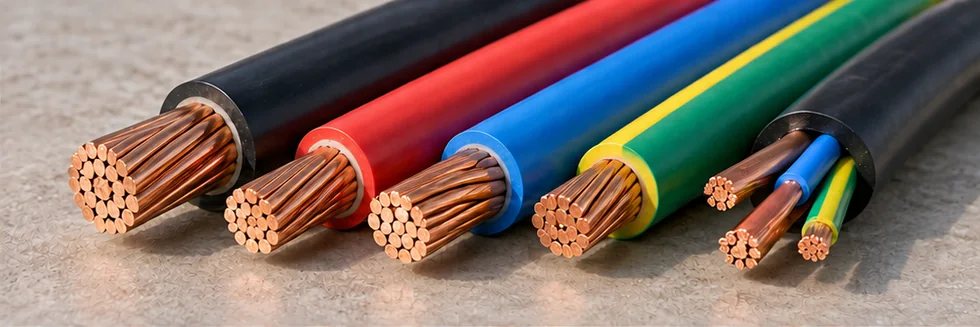
Electrical Copper Cables combine conductor cross-section, electrical resistance, insulation system, voltage rating, and flame performance in a finished assembly. Drawing, stranding, insulation, sheathing, and testing add substantial value beyond copper metal. Flexible and fixed-installation cables use different constructions. A cable labeled with the same nominal area may still differ in conductor quality, insulation, core count, and certification.
Key Applications & Industrial Demand
Buildings, factories, equipment, utilities, and transport systems use cables selected for their circuit and environment. Temperature, grouping, installation method, and protective devices affect design. Cable purchasing should follow the specified system rather than assuming that more copper alone resolves every requirement.
Key Factors Influencing Electrical Copper Cables Price Movements
- Copper and Conductor Content: Copper prices, conductor cross-section, strand design, and electrical resistance influence material cost and whether the conductor meets its specification.
- Insulation and Rating: Insulation system, voltage rating, sheath, core count, and temperature requirements create different construction and testing costs.
- Qualification and Delivery: Flame performance, certification, drum lengths, cutting, transport, and project scheduling distinguish qualified cable deliveries from generic conductor-metal supply.
How to Interpret Electrical Copper Cables Pricing Data
Cable commonly trades per meter, reel, or drum. Align area, core count, conductor class, insulation, voltage, standard, and actual length. A copper benchmark excludes insulation and manufacturing, while a cheap reel can conceal less length or a different cable construction.
Further reading: International Copper Association Electrical Applications
Frequently Asked Questions About Electrical copper cables
What Drives Price Changes for Electrical Copper Cables?
Copper, polymers, energy, manufacturing capacity, construction, and electrical-project orders influence prices. Certified specialty cables can follow a separate demand and lead-time pattern.
How Do Quality or Specification Differences Affect Electrical Copper Cables Pricing?
Conductor resistance, cross-section, insulation thickness, rating, flexibility, fire tests, and certification matter. Nominal area alone does not establish equivalent electrical or installation performance.
Why Can Local Electrical Copper Cables Prices Differ From Global Benchmarks?
Local certification, duties, freight, drum sizes, project lengths, stock availability, and cutting service affect prices. Unusual constructions can require dedicated manufacturing runs.