


Understanding Electric motor Prices
Market Overview & Supply Chain Dynamics
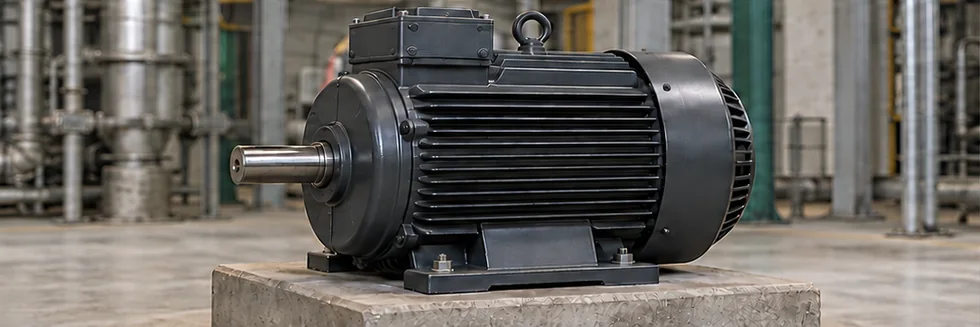
An electric motor converts electromagnetic interaction into shaft rotation. Rated power, pole count, efficiency class, frame size, and insulation class divide a broad market into distinct products. Windings, magnetic steel, rotor construction, bearings, cooling, and assembly determine cost and performance. Nameplate power is only meaningful with the specified voltage, frequency, duty, ambient conditions, and permitted temperature rise.
Key Applications & Industrial Demand
Pumps, fans, conveyors, compressors, process machines, and factory equipment use electric motors. Demand follows industrial production, replacement failures, plant investment, and efficiency upgrades. Application suitability depends on torque, starting behavior, enclosure, and speed-control requirements rather than simply selecting the same kilowatt label.
Key Factors Influencing Electric Motor Price Movements
- Active Materials: Rated power, winding metal, magnetic steel, rotor design, and efficiency class determine major material content and manufacturing requirements.
- Mechanical and Thermal Duty: Pole count, frame size, insulation class, cooling, enclosure protection, and bearing arrangement distinguish motors for different industrial environments.
- Application Integration: Starting method, inverter compatibility, mounting, coupling, alignment, and local service availability shape the installed cost of the driven equipment.
How to Interpret Electric Motor Pricing Data
Motor offers are per configured machine. Compare voltage, phase, speed, duty, frame, shaft, mounting, enclosure, and testing. Drives, starters, couplings, alignment, and installation are frequently separate. Energy costs over long operating hours can make efficiency and correct sizing more valuable than a lower initial invoice.
Further reading: ABB: IEC Low-Voltage Motors
Frequently Asked Questions About Electric motor
What drives price changes for Electric Motor?
Copper and steel costs, efficiency targets, motor size, enclosure requirements, and industrial replacement or investment demand influence motor prices.
How do quality or specification differences affect Electric Motor pricing?
Efficiency, thermal performance, bearing construction, starting torque, enclosure, and tested duty distinguish motors sharing a nominal power output.
Why can local Electric Motor prices differ from global benchmarks?
Electrical standards, mounting variants, freight, local stock, alignment, and service coverage add costs beyond standard factory motor offers.