


Understanding Electric forklift Prices
Market Overview & Supply Chain Dynamics
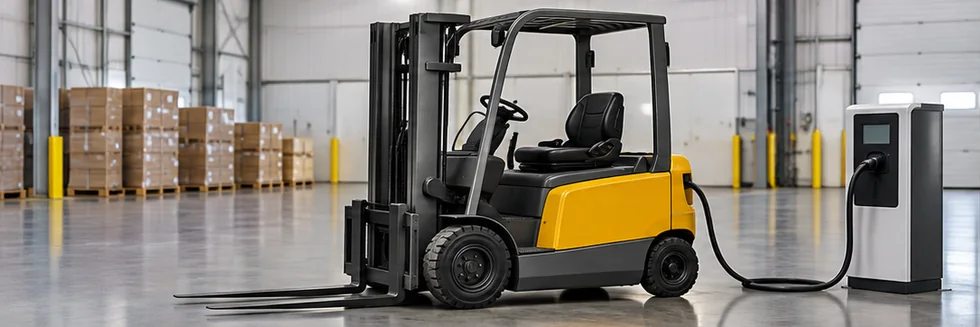
An electric forklift uses battery power for traction, hydraulic lifting, and control systems. Battery capacity, battery chemistry, charger arrangement, load center, and mast configuration determine the working package. Lead-acid and lithium configurations differ in charging, maintenance, energy management, and equipment integration. A truck sold without a battery or charger is not directly comparable with a complete ready-to-work system.
Key Applications & Industrial Demand
Distribution centers, factories, food operations, and indoor warehouses choose electric forklifts for handling duties compatible with their floors, loads, and charging infrastructure. Demand depends on shift length, aisle layout, lift height, battery turnaround, and opportunities for charging between tasks.
Key Factors Influencing Electric Forklift Price Movements
- Energy System: Battery chemistry, battery capacity, charger power, thermal management, and electrical infrastructure determine the available shift duty and initial investment.
- Handling Configuration: Load center, mast configuration, attachments, turning radius, tire type, and lifting controls affect usable capacity and warehouse compatibility.
- Shift and Service Requirements: Operating hours, charging windows, spare energy equipment, maintenance coverage, and battery warranty shape the complete cost of electric handling.
How to Interpret Electric Forklift Pricing Data
Prices apply to a truck configuration and may list energy equipment separately. Compare capacity at the required load center, maximum lift, battery energy, charger, tires, and attachments. Multi-shift operation may require extra batteries, charging time, or infrastructure; these costs belong in the handling-system comparison.
Further reading: Toyota: Integrated Electric Pneumatic Forklift
Frequently Asked Questions About Electric forklift
What drives price changes for Electric Forklift?
Battery technology, energy capacity, lifting configuration, motor controls, and warehouse investment demand influence electric-forklift offers.
How do quality or specification differences affect Electric Forklift pricing?
Usable shift duty, capacity, lifting geometry, battery warranty, control precision, and service access distinguish trucks with similar nominal tonnage.
Why can local Electric Forklift prices differ from global benchmarks?
Battery shipping, charger installation, inspections, attachments, operator training, and local maintenance coverage add regional costs.