


Understanding Duck eggs Prices
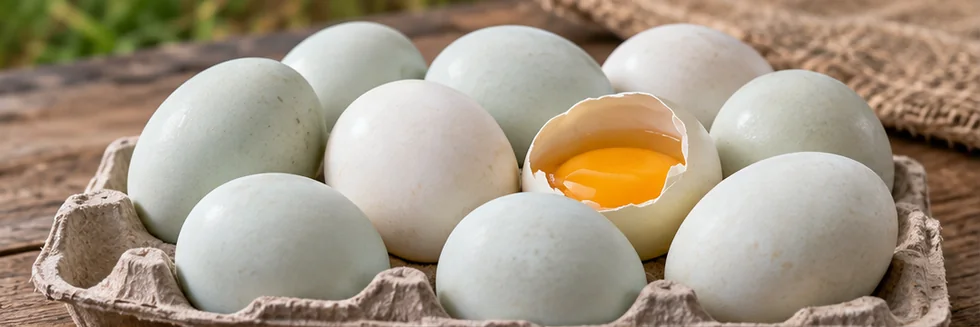
Market Overview & Supply Chain Dynamics
Duck Eggs are traded by egg weight, freshness, and shell condition. Yolk proportion and composition give them distinct culinary uses rather than making them simple substitutes for an equal number of chicken eggs. Fresh versus cured presentation must remain explicit: salted or preserved duck eggs include additional processing. Flock productivity and local laying cycles determine fresh supply.
Key Applications & Industrial Demand
Baking, fresh cooking, salted-egg production, and specialty prepared foods create different requirements. Processors may favor uniform size and sound shells to achieve consistent curing, while retail buyers also judge cleanliness and freshness.
Key Factors Influencing Duck Eggs Price Movements
- Laying Supply: Flock productivity, feed costs, breed, and egg weight distribution determine the quantity available to fresh and curing markets.
- Edible and Shell Quality: Yolk proportion, shell condition, storage, and cleanliness influence usability and rejection rates.
- Processing Demand: Fresh versus cured demand, bakery orders, salted-egg production, and seasonal food occasions affect local purchasing.
How to Interpret Duck Eggs Pricing Data
Compare local-currency prices per egg, dozen, or tray with actual count and size. Keep fresh eggs separate from salted or preserved products. For manufacturing, assess edible contents, breakage, and process recovery rather than relying only on price per egg.
Further reading: FAO: Egg Marketing and Quality
Frequently Asked Questions About Duck eggs
What drives price changes for Duck Eggs?
Duck laying output, feed costs, egg size, curing demand, and specialty-food orders influence fresh duck-egg prices.
How do quality or specification differences affect Duck Eggs pricing?
Weight, freshness, shell integrity, cleanliness, origin, and fresh or processed presentation distinguish duck-egg products.
Why can local Duck Eggs prices differ from global benchmarks?
Regional culinary demand, local duck flocks, tray handling, breakage, transport, and curing-industry concentration create local values.