


Understanding Dried cinnamon Prices
Market Overview & Supply Chain Dynamics
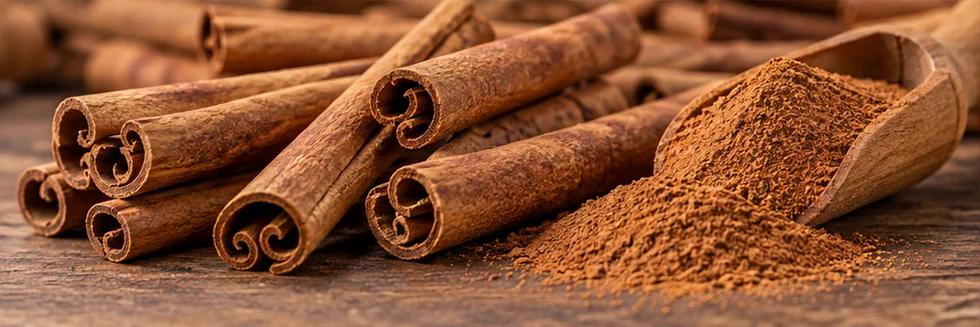
Dried Cinnamon is bark marketed as quills, sticks, chips, or powder. Botanical species determines important flavor and compositional distinctions: Ceylon cinnamon and cassia types are not identical. Cinnamaldehyde and volatile oil contribute aroma, while bark thickness and preparation affect whole-spice grade. Coumarin is another compositional consideration when selecting a type for food manufacturing.
Key Applications & Industrial Demand
Bakery products, confectionery, beverages, spice blends, and extraction markets use different cinnamon forms. Whole attractive quills serve a different presentation market from industrial chips destined for grinding or oil extraction.
Key Factors Influencing Dried Cinnamon Price Movements
- Species and Chemistry: Botanical species, cinnamaldehyde, volatile oil, and coumarin distinguish ingredient profiles and acceptable applications.
- Bark Preparation: Bark thickness, quill formation, breakage, drying, and sorting determine the grade recovered from harvested bark.
- Processing Outlet: Bakery and beverage orders, grinding demand, extraction yields, hygiene treatment, and export freight influence each commercial form.
How to Interpret Dried Cinnamon Pricing Data
Compare prices per kilogram with species, origin, bark form, moisture, oil content, and treatment stated. Powder prices include grinding and may hide differences in bark composition. Retail sticks and bulk extraction bark are not direct substitutes.
Further reading: ICAR-IISR: Cinnamon Bark and Aromatic Oil BfR: Coumarin Differences in Cassia and Ceylon Cinnamon
Frequently Asked Questions About Dried cinnamon
What drives price changes for Dried Cinnamon?
Bark harvests, species availability, quill-grade recovery, oil demand, drying, and export orders influence cinnamon prices.
How do quality or specification differences affect Dried Cinnamon pricing?
Species, oil content, bark thickness, quill form, moisture, purity, and treatment distinguish grades and food uses.
Why can local Dried Cinnamon prices differ from global benchmarks?
Grinding, quill preparation, treatment, protective packing, freight, and demand for a particular species create regional premiums.