


Understanding Distribution transformer Prices
Market Overview & Supply Chain Dynamics
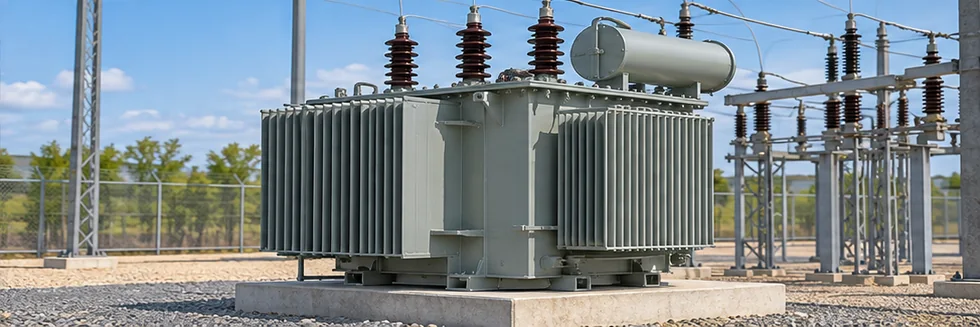
A distribution transformer changes AC voltage through coupled windings around a magnetic core. kVA rating, voltage ratio, impedance, and insulation system define its electrical role. No-load losses and load losses affect long-term operating costs differently. Copper or aluminum winding design, core material, cooling, enclosure, bushings, and factory testing influence supply cost; two transformers with the same apparent-power rating can be built for very different installations.
Key Applications & Industrial Demand
Utilities, factories, commercial buildings, housing developments, and infrastructure projects procure transformers for local distribution. Demand follows network expansion, replacement, voltage requirements, reliability planning, and available site space. Indoor dry-type and outdoor oil-filled installations require different mechanical, fire, and environmental planning.
Key Factors Influencing Distribution Transformer Price Movements
- Core and Windings: kVA rating, voltage ratio, winding material, core steel, and required no-load losses determine major material content and construction.
- Electrical Performance: Impedance, insulation system, temperature rise, tap configuration, and testing requirements affect compatibility with the intended distribution network.
- Installation Package: Enclosures, cooling, protection accessories, transport limits, site preparation, and commissioning distinguish equipment-only offers from energized project costs.
How to Interpret Distribution Transformer Pricing Data
Prices are per complete transformer with a stated voltage and power configuration. Identify winding material, vector arrangement, taps, impedance, cooling, losses, tests, and accessories. Delivery, foundations, switchgear, protection, and commissioning may be additional. Cost per kVA is useful only within a closely matched technical specification.
Further reading: Hitachi Energy: Distribution Transformers
Frequently Asked Questions About Distribution transformer
What drives price changes for Distribution Transformer?
Copper, aluminum, electrical steel, capacity, voltage class, loss requirements, and utility order backlogs influence transformer prices.
How do quality or specification differences affect Distribution Transformer pricing?
Losses, insulation, thermal performance, short-circuit capability, testing, and winding construction distinguish transformers beyond their kVA labels.
Why can local Distribution Transformer prices differ from global benchmarks?
Network standards, freight, foundations, switchgear integration, testing, and local service obligations add project-specific costs.