


Understanding Corn DDGS Prices
Market Overview & Supply Chain Dynamics
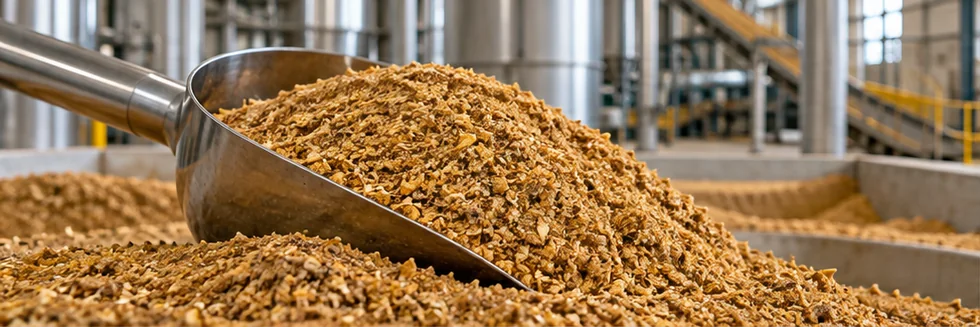
Corn DDGS is a fermentation coproduct dried after corn starch is converted into ethanol. Solubles addition and oil extraction affect composition, while drying conditions influence lysine availability. Mycotoxins require assessment because processing does not make contaminated inputs irrelevant. Full-fat, reduced-oil, and differently processed DDGS can therefore deliver different feed value despite sharing the same acronym.
Key Applications & Industrial Demand
Cattle, pig, poultry, and other feeds use DDGS according to digestible nutrients, fiber, fat, and species-specific formulation limits. Mills value consistent batches because variable oil or amino-acid availability can require ration adjustments.
Key Factors Influencing Corn DDGS Price Movements
- Plant Process: Fermentation coproduct output, solubles addition, oil extraction, and dryer operation determine DDGS composition and saleable volume.
- Nutritional Integrity: Lysine availability, heat damage, mycotoxins, and nutrient variability influence feed acceptance and formulation value.
- Ethanol and Feed Demand: Corn cost, ethanol production, drying energy, animal feeding, export orders, and bulk freight affect the delivered price.
How to Interpret Corn DDGS Pricing Data
Compare currency per metric ton with moisture, protein, oil, fiber, sulfur where relevant, and processing history. Distinguish dried DDGS from wet distillers material. Evaluate delivered nutrient cost and handling rather than using a fixed soybean-meal substitution ratio.
Further reading: Feedipedia: Distillers Grains
Frequently Asked Questions About Corn DDGS
What drives price changes for Corn DDGS?
Corn and ethanol economics, plant output, oil removal, drying energy, feed demand, and exports influence DDGS prices.
How do quality or specification differences affect Corn DDGS pricing?
Protein, oil, fiber, moisture, amino-acid availability, sulfur, and contaminants distinguish DDGS lots.
Why can local Corn DDGS prices differ from global benchmarks?
Distance from ethanol plants, nutrient variability, storage, bulk handling, freight, and regional feeding demand create local prices.