


Understanding Consumer SSDs Prices
Market Overview & Supply Chain Dynamics
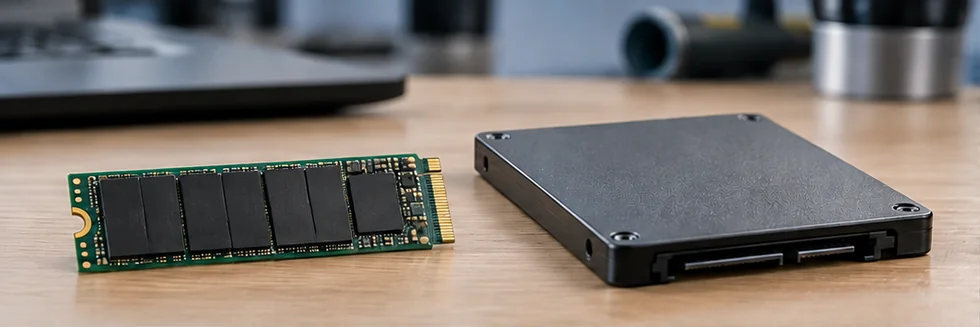
Consumer SSDs combine NAND flash, a controller, firmware, and a host connection in a finished storage device. SATA drives and PCIe devices using NVMe address different interface constraints. Capacity, write endurance, flash cell type, caching design, and thermal behavior explain why equally sized drives can perform differently. Finished-drive prices include assembly, testing, firmware development, and warranty obligations beyond the cost of NAND chips.
Key Applications & Industrial Demand
Desktop upgrades, laptops, gaming systems, and external storage products drive consumer SSD demand. Users moving large files or installing games need different sustained-writing behavior from basic office workloads. Compatibility with the computer's connector, dimensions, and interface is often the first purchasing constraint.
Key Factors Influencing Consumer SSDs Price Movements
- Flash and Controller Design: NAND flash type, controller capability, cache implementation, and firmware influence manufacturing cost, sustained speed, and consistency under demanding writes.
- Interface and Endurance: SATA, NVMe, PCIe generation, thermal construction, and write endurance differentiate upgrades that otherwise share the same advertised storage capacity.
- Retail Storage Cycles: Flash inventories, PC purchases, gaming demand, model introductions, and promotional stock clearances affect finished consumer-drive prices.
How to Interpret Consumer SSDs Pricing Data
Retail comparisons usually use price per drive or per terabyte. Retain the exact capacity, interface generation, physical format, endurance rating, and warranty terms. Advertised burst speeds may depend on caching and test conditions; a drive's sustained write behavior can matter more during large transfers than its headline read figure.
Further reading: Crucial: SSD Products and Storage Resources
Frequently Asked Questions About Consumer SSDs
What drives price changes for Consumer SSDs?
NAND costs, controller supply, PC upgrade demand, capacity mix, and retailer inventories move consumer SSD prices.
How do quality or specification differences affect Consumer SSDs pricing?
Interface, NAND technology, cache, sustained performance, endurance, thermal design, and warranty coverage distinguish drives of equal capacity.
Why can local Consumer SSDs prices differ from global benchmarks?
Local warranty handling, retail taxes, import costs, promotional bundles, and smaller-market inventories separate drive prices across countries.