


Understanding Color-coated steel Prices
Market Overview & Supply Chain Dynamics
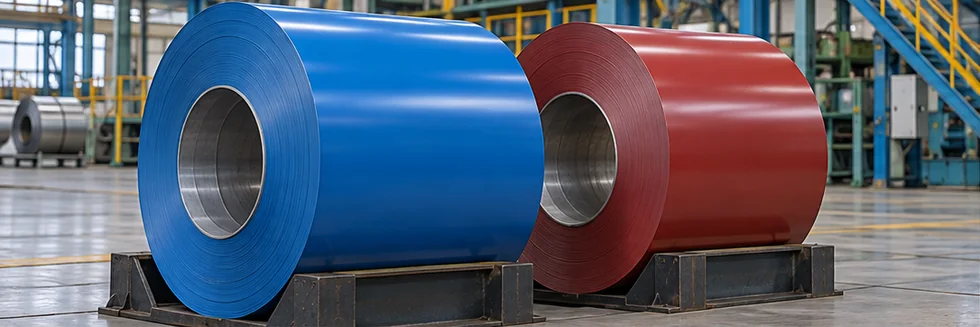
Color-Coated Steel combines substrate thickness and a metallic coating with a factory-applied paint system. Surface preparation, dry-film thickness, and adhesion control whether the coating survives forming and outdoor service. The finished coil includes steelmaking, rolling, metallic coating, painting, curing, and inspection. A color name alone therefore tells little about its corrosion protection or long-term appearance.
Key Applications & Industrial Demand
Roofing, wall cladding, appliance panels, interior systems, and fabricated products use coated steel suited to the environment. Construction buyers may specify gloss, color consistency, corrosion performance, and warranties. Formability matters because coating failure can occur during profiling before installation.
Key Factors Influencing Color-Coated Steel Price Movements
- Base-Metal Costs: Cold-rolled substrate, metallic coating mass, and substrate thickness establish much of the cost before the paint line adds finish and curing.
- Protective Finish: Paint system, dry-film thickness, adhesion, and pretreatment determine durability, with demanding outdoor exposure requiring a different finish from ordinary interior sheet.
- Appearance and Runs: Color matching, gloss, order size, and coating-line changeovers affect conversion cost, particularly for small custom colors or tightly controlled architectural lots.
How to Interpret Color-Coated Steel Pricing Data
Prices may be per ton, square meter, or sheet. Identify base-metal thickness rather than total coated thickness, coating mass, paint type, and dimensions. A low per-ton offer may deliver less area or a weaker protective system than an apparently dearer alternative.
Further reading: SSAB Coated Steel Product Resources
Frequently Asked Questions About Color-coated steel
What Drives Price Changes for Color-Coated Steel?
Steel substrate costs, zinc or alloy coatings, paint inputs, coating-line utilization, and building demand influence prices. Custom colors and small production runs add conversion premiums.
How Do Quality or Specification Differences Affect Color-Coated Steel Pricing?
Base thickness, metallic coating mass, paint chemistry, film thickness, adhesion, color consistency, and corrosion qualification matter. Equal visible color does not establish equivalent durability.
Why Can Local Color-Coated Steel Prices Differ From Global Benchmarks?
Profiling, transport, local stock colors, duties, cutting, and project delivery affect prices. Regional exposure specifications and warranties can also change which coated products buyers will accept.