


Understanding Cocoa butter Prices
Market Overview & Supply Chain Dynamics
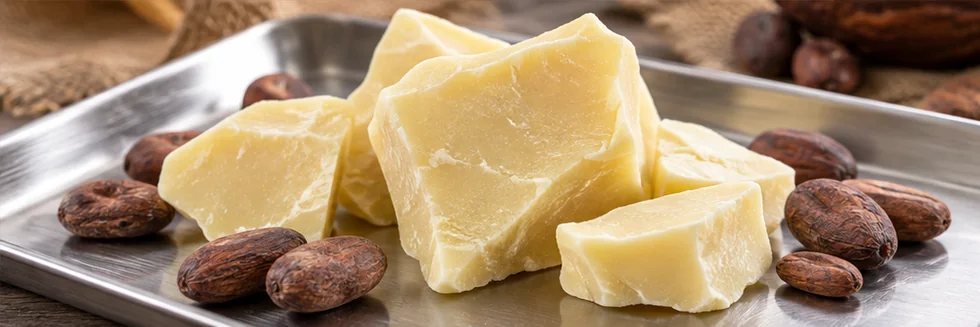
Cocoa Butter is recovered by liquor pressing and carries the fat functionality essential to chocolate. Crystallization behavior influences texture, gloss, and melting, while deodorization changes sensory character. Free fatty acids and other quality indicators help distinguish usable lots. The butter ratio links some commercial offers to cocoa-bean prices, but the balance between butter and powder demand also matters.
Key Applications & Industrial Demand
Chocolate, confectionery coatings, selected cosmetics, and pharmaceutical applications use cocoa butter for its fat properties. Food buyers distinguish natural and deodorized material and require suitability for their recipes, processing, and labeling needs.
Key Factors Influencing Cocoa Butter Price Movements
- Pressing Economics: Liquor pressing yields butter and cake together, so powder demand and grinding capacity influence the cost allocation between products.
- Fat Functionality: Crystallization, free fatty acids, color, and deodorization requirements determine technical and sensory suitability for the buyer's chocolate process.
- Bean and Butter Balance: Cocoa-bean costs, the butter ratio, confectionery orders, and available butter stocks shape physical pricing.
How to Interpret Cocoa Butter Pricing Data
Compare prices per kilogram or metric ton for natural or deodorized butter, origin, quality, and delivery terms. When an offer uses a butter ratio, retain the specific cocoa reference and pricing period. Substituted confectionery fats represent different products.
Further reading: ICCO: Cocoa Butter and Processing
Frequently Asked Questions About Cocoa butter
What drives price changes for Cocoa Butter?
Cocoa-bean prices, grinding and pressing activity, chocolate demand, butter inventories, and the value of the accompanying cocoa cake influence prices.
How do quality or specification differences affect Cocoa Butter pricing?
Natural versus deodorized form, fat quality, color, crystallization behavior, traceability, and food-grade requirements distinguish butter offers.
Why can local Cocoa Butter prices differ from global benchmarks?
Deodorization, packing, temperature-managed handling, freight, import charges, and small-lot distribution add costs to bulk butter values.