


Understanding CNC lathe Prices
Market Overview & Supply Chain Dynamics
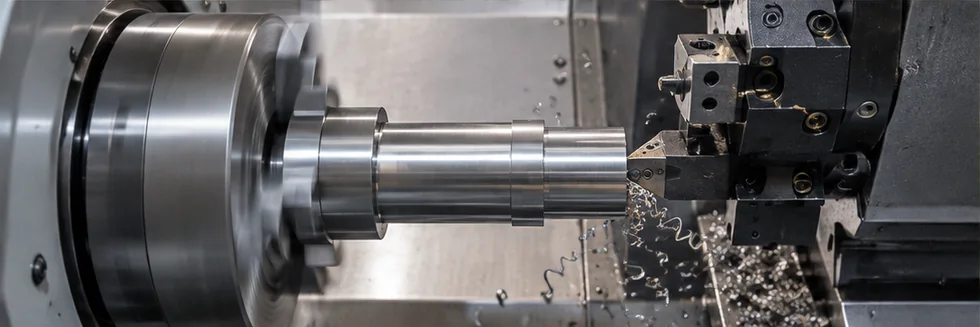
A CNC lathe rotates the workpiece while programmed cutting tools form diameters, faces, threads, and bores. Spindle bore, turning diameter, turret capacity, and axis travel determine which parts fit the machine. Live tooling and extra controlled axes expand capability but change both hardware and programming requirements. Machine builders integrate castings, spindle assemblies, guideways, drives, controls, hydraulics, and guarding before geometry and cutting tests.
Key Applications & Industrial Demand
Job shops, automotive suppliers, pump manufacturers, and precision-engineering firms buy lathes for shafts, bushings, threaded parts, and rotational components. Procurement follows part geometry, tolerances, material removal, cycle time, and unattended-production needs. A bar feeder or parts catcher can change the economics of a production cell.
Key Factors Influencing CNC Lathe Price Movements
- Turning Envelope: Turning diameter, spindle bore, axis travel, chuck size, and supported workpiece weight determine the parts a lathe can economically produce.
- Tool and Axis Configuration: Turret stations, live tooling, subspindle options, and extra axes increase machining scope while adding mechanical and control complexity.
- Production Package: Bar feeding, probing, chip handling, tooling, commissioning, operator training, and local service change the cost of a complete turning cell.
How to Interpret CNC Lathe Pricing Data
Chinese export offers may be quoted in US dollars per machine set. Establish chuck, tooling, controller, coolant, bar feeder, freight, and commissioning scope. A larger spindle rating does not by itself prove better throughput: torque behavior, rigidity, loading method, and the actual cutting envelope must suit the planned work.
Further reading: Haas Automation: Toolroom Lathes
Frequently Asked Questions About CNC lathe
What drives price changes for CNC Lathe?
Machine size, spindle construction, control system, axis options, automation, and builder order books shape CNC lathe quotations.
How do quality or specification differences affect CNC Lathe pricing?
Rigidity, geometric accuracy, turning envelope, spindle torque, tool configuration, and repeatability determine production capability and price.
Why can local CNC Lathe prices differ from global benchmarks?
Heavy freight, rigging, electrical preparation, tooling, commissioning, training, and service coverage add costs beyond a factory machine offer.