


Understanding Clean wool Prices
Market Overview & Supply Chain Dynamics
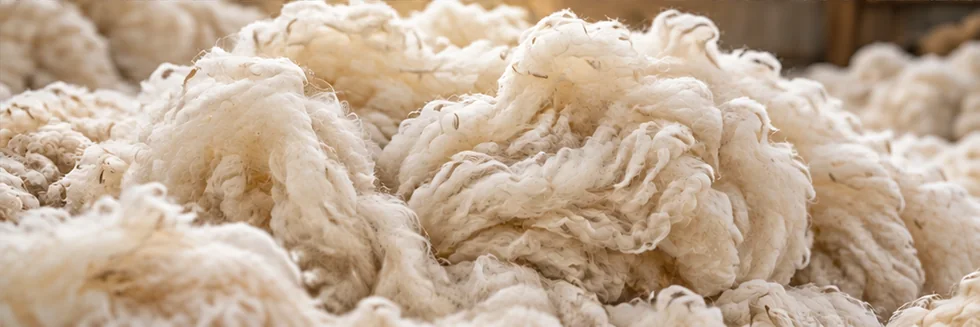
Clean Wool has undergone scouring, but its fiber diameter, clean yield, staple length, and vegetable matter still define commercial quality. Scoured fiber is not the same stage as combed top or finished yarn. Diameter distribution, strength, color, and remaining contamination influence the next processing step. A high clean yield helps explain value, but fineness and usable fiber length remain crucial.
Key Applications & Industrial Demand
Woolen and worsted spinning, carpets, insulation, and other fiber products use wool matched to their requirements. Fine apparel wool has a different market from coarse carpet fiber. Customers choose diameter, length, strength, and preparation according to the yarn or nonwoven they intend to make.
Key Factors Influencing Clean Wool Price Movements
- Fleece and Scour Costs: Raw-wool supply, clean yield, scouring energy, detergents, wastewater treatment, and labor influence the cost of accepted clean fiber.
- Fiber Specification: Fiber diameter, staple length, strength, color, and vegetable matter determine processing options and the quality of yarn or other products achievable.
- Preparation Stage: Residual grease, moisture, carding or combing needs, bale condition, and end-use demand distinguish scoured wool from greasy fleece, top, and yarn.
How to Interpret Clean Wool Pricing Data
Compare wool prices per kilogram on the stated clean or greasy basis and moisture convention. Align microns, length, contamination, and preparation. A cheaper greasy kilogram can contain less usable fiber, while combed-top prices include additional removal and alignment of fibers.
Further reading: Woolmark Wool Fiber Characteristics
Frequently Asked Questions About Clean wool
What Drives Price Changes for Clean Wool?
Fleece supply, flock composition, clean yield, apparel and carpet orders, exchange rates, and processing costs influence prices. Fine and coarse wool can follow very different markets.
How Do Quality or Specification Differences Affect Clean Wool Pricing?
Diameter distribution, staple strength, length, color, vegetable matter, grease, and moisture matter. Clean-looking fiber is not automatically suitable for fine worsted spinning.
Why Can Local Clean Wool Prices Differ From Global Benchmarks?
Scouring and combing capacity, freight, duties, exchange rates, local mill requirements, and available grades affect prices. Different clean-weight conventions can create misleading apparent comparisons.