


Understanding Cement clinker Prices
Market Overview & Supply Chain Dynamics
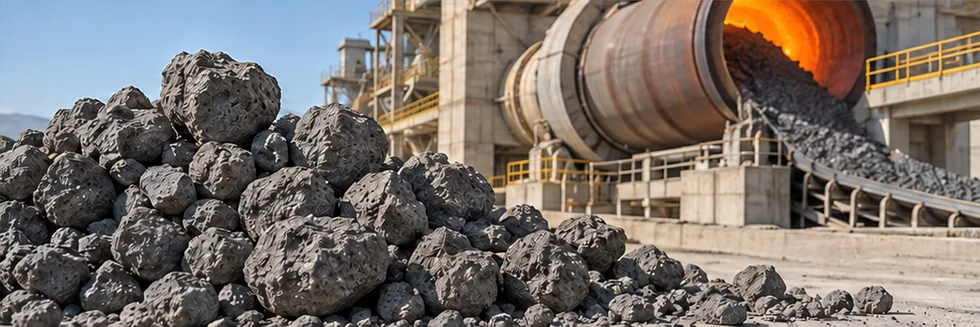
Cement Clinker is the nodular material formed by kiln firing of a controlled mineral raw mix. Calcium silicates, free lime, and grindability affect its value to cement mills. Gypsum addition and finish grinding occur after clinker production, making clinker a semi-finished feed rather than bagged cement. Bulk trade connects kilns with grinding plants that may lack their own local clinker capacity.
Key Applications & Industrial Demand
Cement grinding plants blend clinker with setting-control material and permitted constituents to make specified cements. Mineral chemistry influences strength development, while grinding behavior affects output and electricity. A low-cost clinker may require a different blend or more milling to deliver the target cement.
Key Factors Influencing Cement Clinker Price Movements
- Kiln Energy: Fuel, electricity, quarry materials, kiln firing efficiency, and plant utilization determine clinker manufacturing cost and export availability.
- Hydraulic Quality: Calcium silicates, free lime, consistency, and grindability affect cement performance and the downstream energy required to finish the product.
- Grinding-Plant Demand: Grinding capacity, gypsum addition, cement orders, bulk terminals, and shipping availability influence merchant-clinker demand and delivered regional premiums.
How to Interpret Cement Clinker Pricing Data
Clinker generally trades per metric ton in bulk with named loading or delivery terms. Compare chemistry, strength-related tests, moisture exposure, and shipping scope. Cement prices include grinding, blending, bagging, and distribution that are absent from a clinker cargo value.
Further reading: American Cement Association: Cement Manufacturing
Frequently Asked Questions About Cement clinker
What Drives Price Changes for Cement Clinker?
Kiln fuels, power, production outages, grinding-plant orders, and bulk freight influence prices. Regions with insufficient kiln capacity can depend heavily on imported cargo timing.
How Do Quality or Specification Differences Affect Cement Clinker Pricing?
Mineral balance, free lime, alkalis, chloride, sulfate, consistency, and grindability matter. The receiving mill assesses how clinker performs in its own cement blend.
Why Can Local Cement Clinker Prices Differ From Global Benchmarks?
Ocean freight, port handling, storage, inland haulage, duties, and local grinding demand affect cost. Bulk-terminal access can create large differences between nearby consuming regions.