


Understanding Casual dining meal Prices
Market Overview & Supply Chain Dynamics
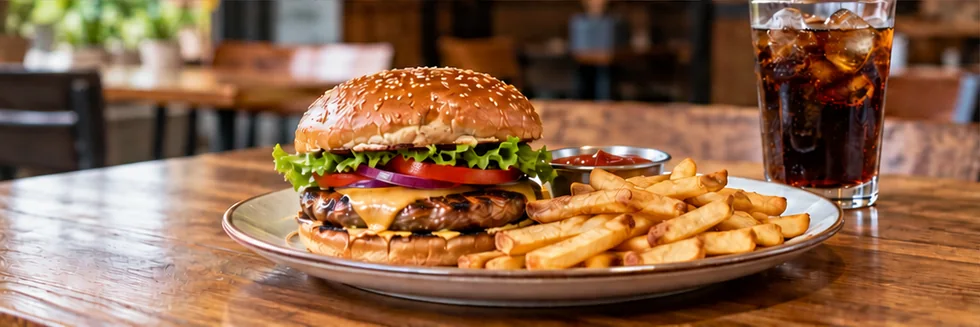
A casual dining meal combines portion size, menu bundle, service format, and daypart into a prepared food purchase. Ingredient yield, cooking, labor, premises, utilities, and serving costs sit between wholesale ingredients and the plated meal. A main dish alone is not directly comparable with a combination including sides and a drink. Takeaway and delivery can also change packaging and fee treatment even when the dish name is identical.
Key Applications & Industrial Demand
Workers, households, shoppers, students, and visitors use casual dining for convenient prepared food and social meals. Demand follows local foot traffic, work schedules, disposable income, cuisine, and nearby alternatives. Consistent portions, food handling, preparation speed, menu choice, and convenience influence repeat business.
Key Factors Influencing Casual Dining Meal Price Movements
- Dish Composition: Portion size, ingredient quality, ingredient yield, cooking method, sides, and substitutions determine the food cost of the chosen dish.
- Service Package: Menu bundle, service format, seating, packaging, drinks, and delivery involvement distinguish the actual meal transaction.
- Location and Timing: Daypart, wages, rent, utilities, foot traffic, promotions, and operating hours influence menu pricing at a particular restaurant.
How to Interpret Casual Dining Meal Pricing Data
Compare the same dish or a clearly described meal basket per person. Identify sides, beverages, tax, mandatory service charges, delivery, and optional tips. Lunch offers may have smaller portions or time restrictions. A restaurant price should not be inferred directly from a change in one agricultural ingredient's wholesale benchmark.
Further reading: Olive Garden: Meal and Location-Specific Offer Scope
Frequently Asked Questions About Casual dining meal
What Drives Price Changes for Casual Dining Meal?
Ingredient costs, labor, rent, utilities, portions, local demand, and promotions influence casual dining menu prices.
How Do Quality or Specification Differences Affect Casual Dining Meal Pricing?
Ingredients, portion, preparation, hygiene, service, convenience, and included sides or drinks distinguish meal offers.
Why Can Local Casual Dining Meal Prices Differ From Global Benchmarks?
Local wages, premises, cuisine, taxes, service practices, delivery costs, and customer demand create neighborhood meal-price differences.