


Understanding Car brake pads Prices
Market Overview & Supply Chain Dynamics
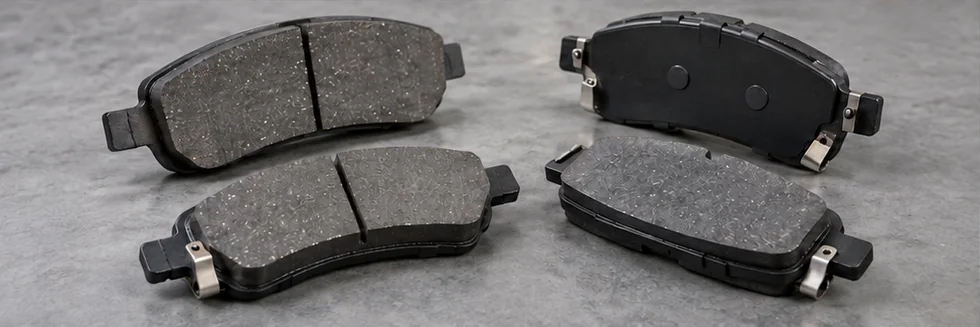
Car brake pads combine a friction material block with a backing plate and application-specific shims or hardware. Axle set packaging, wear sensor provision, dimensions, and compound characteristics determine what is being purchased. Friction performance changes with temperature and operating conditions, so appearance or pad thickness alone cannot establish equivalence. Manufacturing includes compound mixing, forming, bonding, curing, finishing, and testing for the intended application.
Key Applications & Industrial Demand
Vehicle manufacturers, repair shops, fleets, and aftermarket retailers purchase pads for scheduled wear replacement and brake repair. Demand follows the installed vehicle fleet, driving conditions, mileage, and disc condition. Commuter, heavy-load, and performance applications may place different demands on heat management, wear, noise, and pedal behavior.
Key Factors Influencing Car Brake Pads Price Movements
- Friction Formulation: Friction material, temperature response, wear behavior, dust, and noise control determine compound performance and validation requirements.
- Application Hardware: Backing plate dimensions, shims, clips, wear sensor compatibility, and axle set contents establish fit and complete replacement scope.
- Testing and Service: Application approval, production consistency, packaging, bedding instructions, and warranty support influence aftermarket value and workshop acceptance.
How to Interpret Car Brake Pads Pricing Data
Compare prices per axle set with exact vehicle, model year, brake system, and included hardware. Separate pads from disc replacement and installation labor. Existing disc condition and correct bedding matter to the result; a cheap pad set cannot be evaluated independently of compatibility with the braking assembly.
Further reading: Brembo: Prime Brake Pads
Frequently Asked Questions About Car brake pads
What Drives Price Changes for Car Brake Pads?
Friction inputs, vehicle-fitment demand, testing, brand positioning, and workshop replacement volumes influence brake-pad prices.
How Do Quality or Specification Differences Affect Car Brake Pads Pricing?
Friction consistency, heat response, wear, noise control, attachment quality, and application validation distinguish replacement pad grades.
Why Can Local Car Brake Pads Prices Differ From Global Benchmarks?
Fitment inventory, workshop labor, hardware, local approvals, tax, and warranty handling create differences from pad-only factory offers.