


Understanding Caprolactam Prices
Market Overview & Supply Chain Dynamics
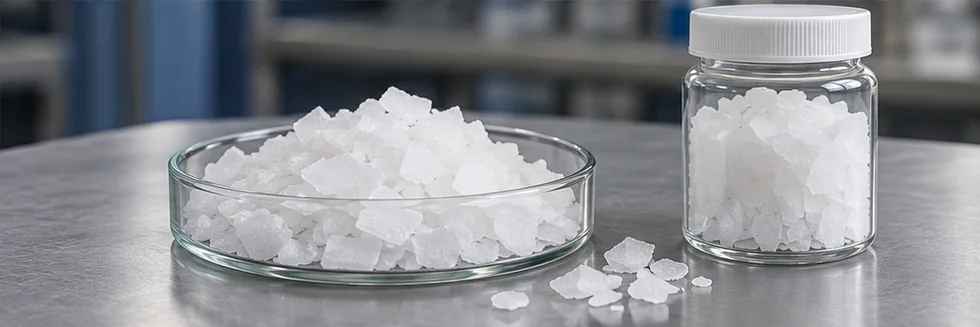
Caprolactam is the cyclic amide that forms nylon 6 through ring-opening polymerization. Its manufacturing chain commonly passes through cyclohexanone and an oxime intermediate before purification. Fiber grade material needs closely controlled color, water control, and impurities because defects can carry into spun yarn. Trade includes molten and solid material, so packaging and temperature management are part of the product's commercial identity.
Key Applications & Industrial Demand
Nylon 6 fibers feed apparel, carpets, industrial yarn, and tire reinforcement, while engineering resins serve molded automotive and electrical components. Film and monofilament producers add other outlets. Caprolactam demand therefore follows several PA6 conversion markets rather than the broader plastics market uniformly.
Key Factors Influencing Caprolactam Price Movements
- Upstream Chemical Margins: Cyclohexanone availability, benzene-chain costs, energy, and coproduct economics affect the incentive to operate caprolactam plants.
- Nylon Conversion Rates: Nylon 6 spinning, film, and engineering-resin utilization determine offtake, while ring-opening polymerization capacity can become a distinct demand constraint.
- Polymer-Quality Requirements: Fiber grade purity and water control influence yarn consistency, while molten logistics and solid packaging create different delivered-cost structures.
How to Interpret Caprolactam Pricing Data
Prices are often stated per metric ton, with molten deliveries and packaged solids incurring different handling costs. Compare quality requirements and delivery temperature alongside the monomer assay. Nylon-chip quotations include polymerization and should not be treated as caprolactam values.
Further reading: BASF Polyamides and Precursors
Frequently Asked Questions About Caprolactam
What drives price changes for Caprolactam?
Benzene-chain feedstocks, caprolactam outages, nylon 6 plant runs, and inventory influence prices. Weak textile demand can reduce offtake even if engineering-plastic orders remain firm.
How do quality or specification differences affect Caprolactam pricing?
Color, moisture, acidity, and trace impurities affect polymer quality. Fiber spinning can demand especially consistent monomer because contamination becomes visible in downstream yarn.
Why can local Caprolactam prices differ from global benchmarks?
Molten transport capability, solid packaging, storage, import duty, and proximity to nylon plants alter delivered economics. Integrated producers may have little merchant purchasing exposure.