


Understanding Cabbage Prices
Market Overview & Supply Chain Dynamics
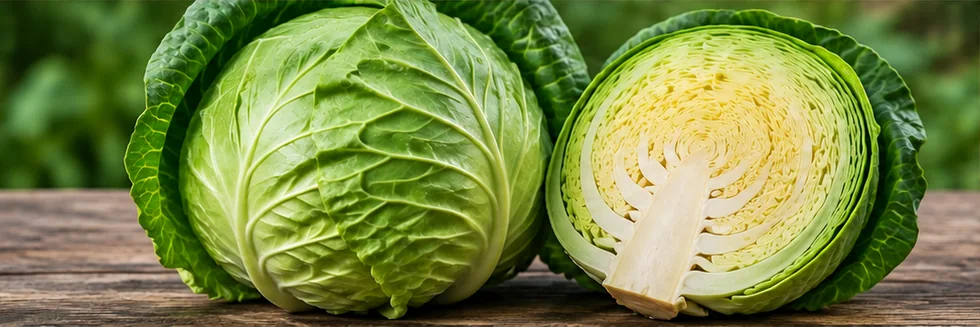
Cabbage is harvested as a formed head, with head density, wrapper leaves, and core length influencing commercial yield. Splitting and decay reduce packout, while water loss causes wilting and saleable-weight shrink. Green, red, savoy, and other cabbage types have different uses and should retain their varietal identity in a market comparison.
Key Applications & Industrial Demand
Fresh cooking, coleslaw, shredded salads, fermentation, and prepared foods require different head sizes and textures. Processors may value dense, high-yield heads more than appearance-focused retail buyers, especially where outer leaves are removed mechanically.
Key Factors Influencing Cabbage Price Movements
- Head Formation: Head density, core length, variety, and maturity influence usable product recovered after trimming and shredding.
- Leaf Condition: Wrapper leaves, splitting, pest damage, water loss, and decay determine fresh-market acceptance and storage potential.
- Local Harvest Flow: Weather, acreage, harvest timing, cooling, and processor orders affect a bulky crop whose freight cost is significant.
How to Interpret Cabbage Pricing Data
Read prices per kilogram, head, bag, or carton with net weight and cabbage type stated. Allow for outer-leaf trimming and core removal when comparing usable yields. Bulk field bins and retail-ready heads have different labor and packaging costs.
Further reading: UC Davis: Produce Postharvest Guidance
Frequently Asked Questions About Cabbage
What drives price changes for Cabbage?
Local harvests, head size, trimming losses, weather, storage stocks, and fresh-cut or fermentation demand influence cabbage prices.
How do quality or specification differences affect Cabbage pricing?
Type, head density, size, leaf condition, core proportion, and defects determine retail appearance and processing recovery.
Why can local Cabbage prices differ from global benchmarks?
Bulky freight, local harvest timing, trimming labor, cooling, and demand from nearby processors create regional prices.