


Understanding Bus Prices
Market Overview & Supply Chain Dynamics
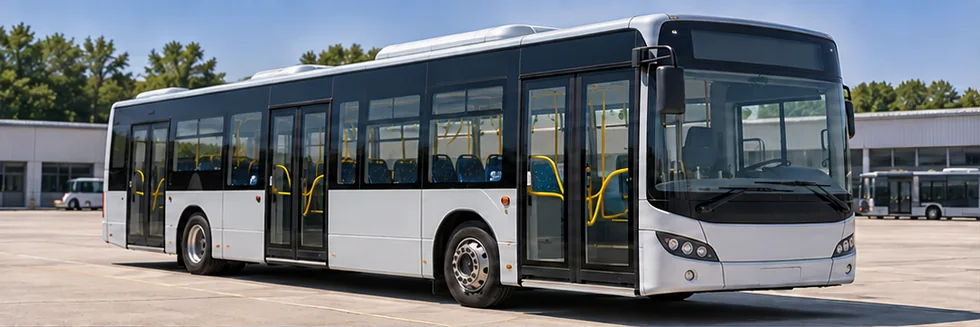
A bus combines a passenger body, chassis, powertrain, suspension, doors, seating, and onboard systems. Passenger capacity, floor height, door layout, and accessibility distinguish urban, school, intercity, and coach configurations. Standing space and seats cannot be compared as equivalent comfort or route capacity. Body structure, climate control, safety equipment, and local vehicle requirements create substantial differences within buses of similar overall length.
Key Applications & Industrial Demand
Transit operators, schools, tourism companies, employers, and intercity carriers buy buses around route distance, boarding frequency, passenger needs, and utilization. Dense urban duty emphasizes accessible boarding and frequent stops. Coaches instead prioritize luggage, seating comfort, range, and sustained road operation.
Key Factors Influencing Bus Price Movements
- Passenger Configuration: Passenger capacity, floor height, seating pitch, door layout, accessibility features, and luggage space determine the route that a bus can serve.
- Propulsion and Climate Systems: Powertrain choice, transmission, cooling, air conditioning, emissions hardware, and energy storage affect capital cost and operating infrastructure.
- Fleet Support: Route customization, maintenance contracts, spare parts, driver systems, inspection, and delivery schedules shape the final fleet purchase agreement.
How to Interpret Bus Pricing Data
Quotations should specify whether they cover a complete bus or a chassis awaiting bodywork. Compare seated and standing capacity, propulsion, route duty, climate equipment, and warranty. Taxes, certification, ticketing systems, depot infrastructure, and initial spares may be separate from the vehicle purchase.
Further reading: Volvo Buses: Bus and Coach Solutions
Frequently Asked Questions About Bus
What Drives Price Changes for Bus?
Transit procurement, chassis supply, body specifications, propulsion technology, and fleet replacement schedules influence bus prices.
How Do Quality or Specification Differences Affect Bus Pricing?
Passenger layout, structural construction, accessibility, climate control, powertrain, and route-specific durability distinguish buses with similar lengths.
Why Can Local Bus Prices Differ From Global Benchmarks?
Local body requirements, homologation, taxes, ticketing integration, depot preparation, and maintenance support add regional fleet costs.