


Understanding Bulk carrier voyage charter rate Prices
Market Overview & Supply Chain Dynamics
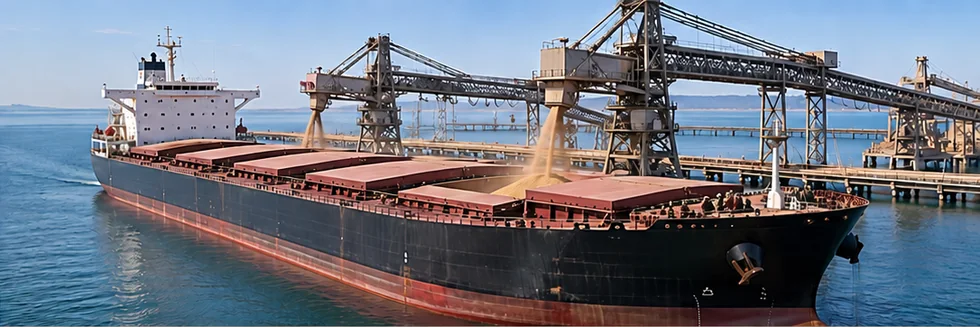
A bulk carrier voyage charter rate prices a cargo parcel between agreed loading and discharge places. Laycan, laytime, demurrage, and ballast position define important commercial conditions. Owners assess voyage duration, fuel, port costs, canal exposure, cargo handling, and the vessel's next employment. A freight amount per tonne therefore reflects a complete voyage calculation rather than simply distance multiplied by a universal shipping cost.
Key Applications & Industrial Demand
Grain houses, miners, utilities, fertilizer traders, and industrial commodity buyers charter bulk capacity for specific cargoes. Demand follows trade volumes, harvests, industrial production, and voyage patterns. Vessel size, cargo stowage factor, port draft, and loading gear constrain which ships can perform the business.
Key Factors Influencing Bulk Carrier Voyage Charter Rate Price Movements
- Cargo and Port Fit: Cargo parcel, stowage characteristics, vessel size, draft limits, port equipment, and handling terms establish the feasible voyage.
- Time and Fuel Economics: Laycan, ballast position, voyage duration, fuel, canals, and congestion influence the owner's expected earnings and offered freight.
- Delay Allocation: Laytime, demurrage, dispatch terms, weather exceptions, and cargo-working responsibilities determine the commercial allocation of port delays.
How to Interpret Bulk Carrier Voyage Charter Rate Pricing Data
Read voyage freight in its stated currency and cargo basis, often per tonne or a lump sum. Separate it from time-charter hire and time-charter-equivalent earnings. Compare route, parcel, vessel, loading terms, dates, and commissions together. A reported fixture applies to its negotiated conditions, not every voyage between the same countries.
Further reading: Baltic Exchange: Dry Bulk Freight Markets
Frequently Asked Questions About Bulk carrier voyage charter rate
What Drives Price Changes for Bulk Carrier Voyage Charter Rate?
Cargo demand, open-vessel supply, ballast location, bunker costs, congestion, and voyage duration influence bulk voyage freight.
How Do Quality or Specification Differences Affect Bulk Carrier Voyage Charter Rate Pricing?
Vessel suitability, ports, cargo handling, dates, laytime, and delay provisions distinguish differently priced charter business.
Why Can Local Bulk Carrier Voyage Charter Rate Prices Differ From Global Benchmarks?
Port draft, handling costs, congestion, route distance, canal requirements, and vessel positioning create regional freight bases.