


Understanding Battery-grade lithium hydroxide Prices
Market Overview & Supply Chain Dynamics
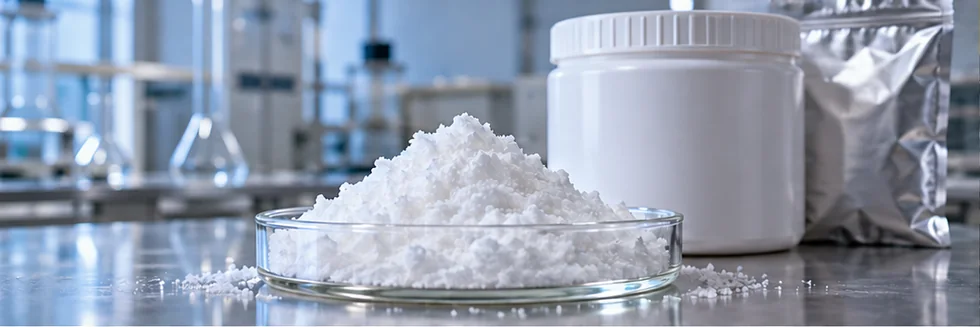
Battery-Grade Lithium Hydroxide is purified for cathode qualification, commonly supplied as monohydrate rather than anhydrous material. Lithium assay, alkali impurities, and carbonate formation are important specifications. Conversion can begin with hard-rock or brine-derived lithium intermediates, followed by refining, crystallization, drying, and protective packing. A battery label alone does not identify the exact chemical basis or customer-approved impurity envelope.
Key Applications & Industrial Demand
Manufacturers of suitable high-nickel cathode materials are major buyers. Their synthesis processes need controlled lithium chemistry and trace contamination. Other industrial lithium-hydroxide applications can accept different grades, so technical material is not automatically a substitute for battery-qualified supply.
Key Factors Influencing Battery-Grade Lithium Hydroxide Price Movements
- Conversion Feedstocks: Spodumene or other lithium intermediates, refining energy, chemical inputs, and conversion-plant utilization affect the cost of purified lithium hydroxide.
- Chemical Control: Monohydrate basis, lithium assay, alkali impurities, and carbonate formation determine the consistency needed for reliable cathode synthesis.
- Qualified Cathode Demand: Cathode qualification, high-nickel material production, approved-supplier inventories, and contract commitments influence the premium paid for usable battery-grade product.
How to Interpret Battery-Grade Lithium Hydroxide Pricing Data
Prices are commonly per metric ton of lithium-hydroxide monohydrate or another explicitly defined basis. Compare assay and moisture before using carbonate-equivalent conversions. Taxes, packing, impurity limits, delivery location, and approval status can materially change the value of an offer.
Further reading: USGS Lithium Supply and Uses
Frequently Asked Questions About Battery-grade lithium hydroxide
What Drives Price Changes for Battery-Grade Lithium Hydroxide?
Lithium feedstocks, conversion capacity, cathode orders, inventories, and contract pricing affect values. Battery-qualified hydroxide can differ from technical-grade and carbonate markets.
How Do Quality or Specification Differences Affect Battery-Grade Lithium Hydroxide Pricing?
Chemical form, lithium content, sodium, potassium, calcium, carbonate, and moisture matter. Cathode producers may need tighter limits than the nominal battery-grade description implies.
Why Can Local Battery-Grade Lithium Hydroxide Prices Differ From Global Benchmarks?
Refining location, duties, freight, protective packing, working capital, and customer approvals influence delivered cost. Limited qualified regional stock can create premiums despite broader lithium oversupply.