


Understanding Barite Prices
Market Overview & Supply Chain Dynamics
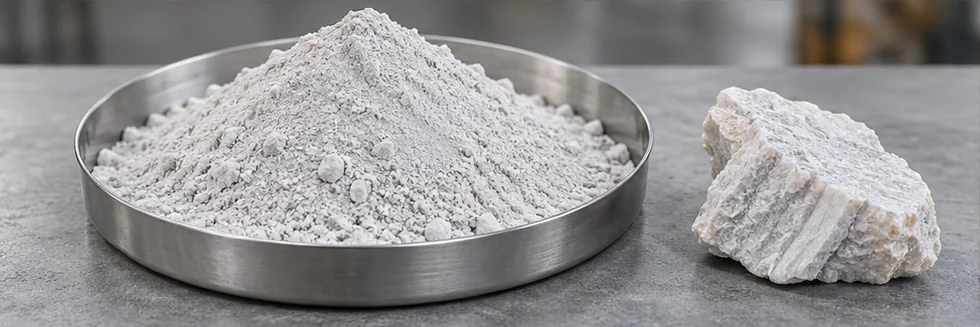
Barite is processed barium sulfate sold according to specific gravity, particle distribution, soluble salts, and sometimes whiteness. Crushing, beneficiation, and grinding prepare mineral suitable for drilling or filler use. High-density drilling material differs from bright chemical or paint fillers. A broad BaSO4 assay therefore does not describe all performance requirements or explain every premium in the market.
Key Applications & Industrial Demand
Oil and gas drilling uses barite to increase drilling-fluid density. Paints, plastics, rubber, and other industrial products consume selected filler grades with different optical and particle needs. The large drilling market can follow exploration activity rather than general manufacturing demand.
Key Factors Influencing Barite Price Movements
- Density and Recovery: Barium sulfate mineral quality, specific gravity, beneficiation yield, and mine availability determine the cost of acceptable weighting material.
- Drilling Qualification: Particle distribution, soluble salts, abrasiveness, and contamination affect suspension and mud behavior, restricting substitution between unqualified mineral powders.
- Filler and Freight Economics: Whiteness and fine grinding can add value for fillers, while heavy bulk transport and proximity to drilling basins strongly influence delivered prices.
How to Interpret Barite Pricing Data
Barite usually trades per metric ton of ground product, ore, or concentrate. Align specific gravity, sizing, contaminants, and application tests. A crude-mine price excludes grinding and transport, while a high-whiteness filler may carry a different premium from ordinary drilling grade.
Further reading: USGS Barite Industry Information
Frequently Asked Questions About Barite
What Drives Price Changes for Barite?
Drilling activity, mine supply, grinding capacity, fuel, and bulk freight influence prices. Regional drilling campaigns can tighten processed supply even when crude ore is available.
How Do Quality or Specification Differences Affect Barite Pricing?
Specific gravity, sizing, soluble salts, impurities, abrasion, and whiteness matter. The correct grade depends on whether the buyer needs drilling weight or an industrial filler.
Why Can Local Barite Prices Differ From Global Benchmarks?
Mine access, grinding location, port handling, inland haulage, duties, and basin demand affect cost. Heavy mineral transport can dominate a remote drilling operation's purchase price.