


Understanding Baled PET bottles Prices
Market Overview & Supply Chain Dynamics
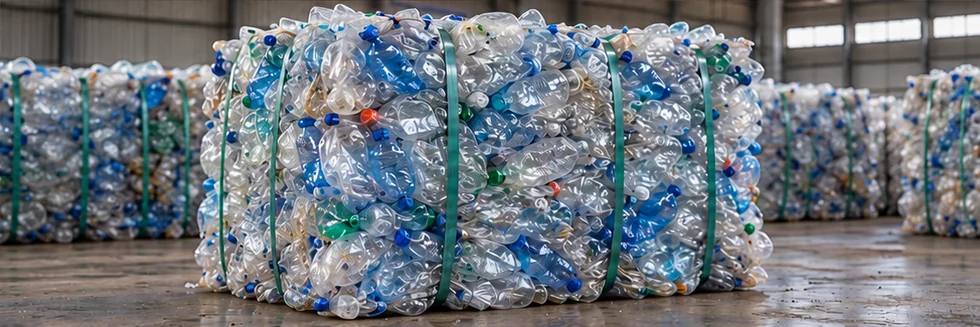
Baled PET Bottles are collected packaging feedstock, not clean recycled pellets. PET fraction, color sorting, PVC contamination, and inclusion of thermoforms determine what a reclaimer can recover. Bale density affects truck utilization and unloading. British pound-per-tonne assessments follow a specified bale market; a bale with substantial unwanted material contains less usable PET than its gross weight suggests. Sorting, washing, and conversion still lie ahead of the buyer.
Key Applications & Industrial Demand
Reclaimers buy bottle bales to produce sorted flakes and, where processing and approvals support it, recycled resin for packaging or other applications. Fiber, strapping, sheet, and bottle markets have different input requirements. Bales are not automatically food-contact resin simply because they originated as beverage bottles.
Key Factors Influencing Baled PET Bottles Price Movements
- Composition and Recovery Yield: PET fraction, PVC contamination, non-PET packaging, moisture, and residual contents determine the usable polymer recovered after sorting and washing.
- Color and Product Stream: Color sorting and the permitted inclusion of thermoforms distinguish bale grades that serve different reclaiming equipment and downstream markets.
- Baling and Reclaimer Demand: Bale density, load consistency, freight, collection volumes, wash-line capacity, and demand for recycled PET influence buyers' delivered-feedstock bids.
How to Interpret Baled PET Bottles Pricing Data
Compare pounds per gross tonne for the same bottle, color, and contamination specification. A monthly assessment differs from an individual reclaimer's accepted-load bid. Account for sorting loss, moisture, freight, and any rejection terms. Washed flakes and food-grade pellets are further processed products, so their higher prices cannot be applied directly to baled collection material.
Further reading: NAPCOR: PET Bale Specifications and Grades
Frequently Asked Questions About Baled PET bottles
What Drives Price Changes for Baled PET Bottles?
Collection supply, bottle-bale composition, reclaimer demand, processing capacity, recycled-resin sales, and freight move prices. Changes in contamination can alter bids even when broader PET markets are stable.
How Do Quality or Specification Differences Affect Baled PET Bottles Pricing?
Compare PET fraction, color, bottle-versus-thermoform content, PVC contamination, moisture, and bale presentation. Gross tonnage alone does not establish the amount of recoverable PET.
Why Can Local Baled PET Bottles Prices Differ From Global Benchmarks?
Collection systems, sorting quality, reclaimer distance, freight, and downstream markets vary. Local bale bids also reflect yield losses and the cost of converting waste packaging into usable material.