
Price CloudO3GLOBAL COMMODITY MARKETS
English (US) Language
Baled HDPE scrap icon
ENVIRONMENT AND CIRCULAR ECONOMY · SOURCES REPORT DIFFERENT PRICE TYPES

Baled HDPE Scrap Latest Prices

Baled HDPE Scrap pricing explained through natural and colored streams, bottle versus injection material, contamination, net recovery, and local reclaiming.

Download history CSV ↓
Price series · 2

Price series — Baled HDPE scrap

Sources report different price types Sources may update at different intervals

Exact item match: 0Related benchmark: 2Within recorded date window: 2Outside date range: 0No latest observation: 0Live reference: 0
Clear filters
Showing 1–2 of 2 Price seriesPage 1 / 1
Price series Baled HDPE scrap
Provider / SourceCountry / market / CurrencyLatest priceObserved date / published periodFrequencyMappingStatusSource
letsrecycle.comNhựa HDPE ép kiệnHDPE mixed colourLetsrecycle.PrimaryPlasticBottleAssessment GB · UK plasticbottle recycling marketGBP / tonne 410.00 – 520.00GBP / tonne 10/1/2026 Monthly recycling price assessmentMonthly · Published period
Series detailsAssessment unit: GBP per tonne; no priceperbale conversionMaterial form basis: plasticbottles; publishergeneralguide says reprocessors normally accept baledform; specificlotbale dimensions/contamination notcertifiedPublisher grade: HDPE mixed colourBenchmark monthly market assessment not specificlotBaledform general publisher specification not lot certificateMonthly period anchor not daily priceRange preserved no midpoint no forward fill
Related benchmark Within recorded date window Source ↗History
letsrecycle.comNhựa HDPE ép kiệnHDPE naturalLetsrecycle.PrimaryPlasticBottleAssessment GB · UK plasticbottle recycling marketGBP / tonne 750.00 – 900.00GBP / tonne 10/1/2026 Monthly recycling price assessmentMonthly · Published period
Series detailsAssessment unit: GBP per tonne; no priceperbale conversionMaterial form basis: plasticbottles; publishergeneralguide says reprocessors normally accept baledform; specificlotbale dimensions/contamination notcertifiedPublisher grade: HDPE naturalBenchmark monthly market assessment not specificlotBaledform general publisher specification not lot certificateMonthly period anchor not daily priceRange preserved no midpoint no forward fill
Related benchmark Within recorded date window Source ↗History

Price history

Each source has its own currency and unit · Sources may update at different intervals
No data in this range. View full history →

Historical price table

Actual publication periods; missing periods are not interpolated
0 records
Price history Baled HDPE scrap — Each source has its own currency and unit
PeriodPrice (Each source has its own currency and unit)Source
No records in this range.

Definition: Compressed collected high-density polyethylene packaging or other specifically accepted HDPE articles sold for recycling.

Key Specifications and Terms:

Understanding Baled HDPE scrap Prices
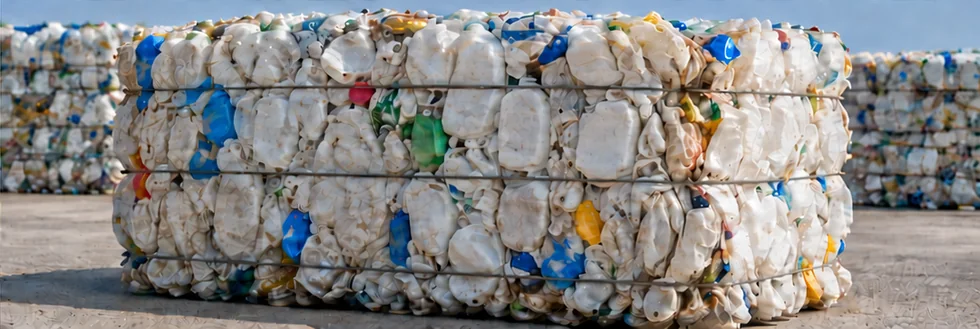
Wired recycling bales of crushed HDPE bottles with some colored plastic.
Illustrative image for the Baled HDPE Scrap market guide.

Market Overview & Supply Chain Dynamics

Baled HDPE Scrap must be defined by natural HDPE or colored HDPE content and the accepted article type. Bottle versus injection material can create different processing properties, while contamination reduces net recovery. British pound-per-tonne bale assessments relate to specified collected streams. They do not value a finished recycled pellet with tested melt properties, and natural bottle feedstock can attract different demand from mixed-color rigid packaging.

Key Applications & Industrial Demand

Plastic reclaimers purchase HDPE bales for washing, grinding, sorting, and pellet production. Packaging, pipe, and other non-food or suitably approved applications require different material performance. The original collection stream and buyer's process determine which end markets are realistic for the recovered polymer.

Key Factors Influencing Baled HDPE Scrap Price Movements

  • Color and Article Mix: Natural HDPE, colored HDPE, bottle versus injection articles, and mixed rigid products determine the feedstock's color options and processing consistency.
  • Contamination and Yield: Contamination, residues, moisture, non-HDPE plastics, and collection quality influence net recovery and the amount of washing and sorting required.
  • Reclaiming and Delivery Economics: Bale construction, freight, stock availability, wash-line demand, and sales of recycled HDPE products shape the price a reclaimer can pay.

How to Interpret Baled HDPE Scrap Pricing Data

Use pounds per tonne for the stated HDPE bale category and clarify delivered or collected terms. Natural bottle and colored mixed-container assessments should remain separate. Deducting expected sorting losses can change the effective cost per recovered kilogram. Bale input should also be distinguished from washed regrind and compounded pellets, which have already incurred additional processing and testing.

Further reading: ReMA and APR: HDPE Bale Specification Categories

Frequently Asked Questions About Baled HDPE scrap

What Drives Price Changes for Baled HDPE Scrap?

Collection volumes, natural-versus-colored supply, contamination, reclaimer capacity, and recycled-HDPE demand drive bids. Freight and outlet availability can change local offers independently of virgin polyethylene movements.

How Do Quality or Specification Differences Affect Baled HDPE Scrap Pricing?

Specify article stream, color, HDPE fraction, residues, moisture, and bale presentation. Natural bottle material and mixed injection-molded rigid articles are not equivalent feedstock grades.

Why Can Local Baled HDPE Scrap Prices Differ From Global Benchmarks?

Local collection quality, sorting systems, transport, reclaimer access, and recycled-product demand differ. Processing yields and rejected contaminants also affect the net value of an incoming load.