
Price CloudO3GLOBAL COMMODITY MARKETS
English (US) Language
Antimony ingot icon
MINERALS AND BATTERY MATERIALS · SOURCES REPORT DIFFERENT PRICE TYPES

Antimony Ingot Latest Prices

Antimony Ingot prices explained through metal assay, arsenic and lead impurities, trioxide conversion, alloy hardening, and refined-metal supply.

Download history CSV ↓
Price series · 3

Price series — Antimony ingot

Sources report different price types Sources may update at different intervals

Exact item match: 0Related benchmark: 3Within recorded date window: 3Outside date range: 0No latest observation: 0Live reference: 0
Clear filters
Showing 1–3 of 3 Price seriesPage 1 / 1
Price series Antimony ingot
Provider / SourceCountry / market / CurrencyLatest priceObserved date / published periodFrequencyMappingStatusSource
SMM.PublicAssessmentAntimony ingot201309290001SMM.PublicAssessment CN · China Antimony 99.65% Sb minUSD / t 11,170.83USD / t 11/18/2026 Published physical market assessmentDaily · Published period
Series detailsAssessment name: China Antimony 99.65% Sb minNative assessment id: 201309290001Publisher underlying unit: yuan/tonneSource published unit: USD/tonneMarket assessment benchmark not individual purchase offerSource published average and boundsLatest public assessment only no generated historyTax and unstated delivery terms not assumedProvider publishes USD display converted from CNY original CNY amount not in response
Related benchmark Within recorded date window Source ↗History
SunSirsAntimony ingotsunsirs-product-909SunSirs.PublicBrowser CN · China domestic spot assessment; native product 909CNY / t 86,750.00CNY / t 11/18/2026 Physical market referenceDaily · Published period
Series detailsNative price kind: Spot assessmentNative product id: 909Native product name: AntimonyReported frequency: DailySource region: China domestic spot assessment; native product 909Benchmark not exact supplier or grade quoteGrade specification requires source detail for comparisonUnit verified against actual source table footnoteEvidence actual browser http responseSource detail explicit published dateCurrent day reference not confirmed close
Related benchmark Within recorded date window Source ↗History
USGSAntimony ingotantimony:antimony-metalUSGS.MCS — · Antimony 99.65% CIF benchmark; named place unspecifiedUSD / lb 25.00USD / lb 1/1/2025 Annual statistical price or unit valueAnnual · Published period
Series detailsCommodity form: Antimony metalMass basis: dollars per poundNative row id: antimony-metalPrice basis: annual average antimony minimum 99.65%; CIF; ingot form and named delivery place not verifiedSource geography: Antimony 99.65% CIF benchmark; named place unspecifiedAnnual statistical benchmark not current spotGrade form or delivery not exact supplier quotePublisher estimated annual value
Related benchmark Within recorded date window Source ↗History

Price history

Each source has its own currency and unit · Sources may update at different intervals
No data in this range. View full history →

Historical price table

Actual publication periods; missing periods are not interpolated
0 records
Price history Antimony ingot — Each source has its own currency and unit
PeriodPrice (Each source has its own currency and unit)Source
No records in this range.

Definition: Refined antimony metal cast into ingots for alloy and chemical conversion.

Key Specifications and Terms:

Understanding Antimony ingot Prices
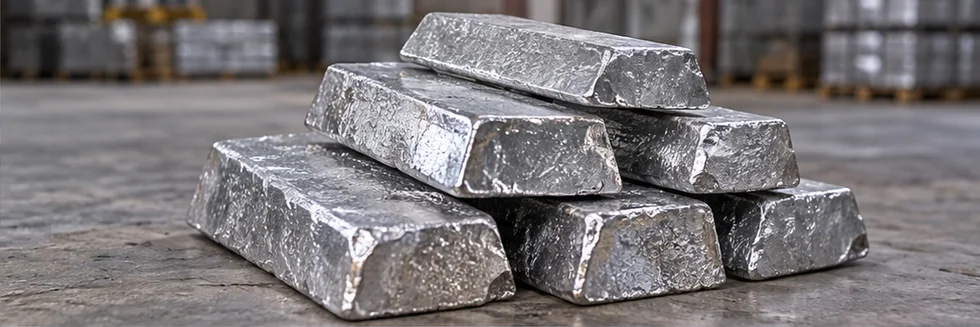
Unmarked silvery antimony ingots
Illustrative image for the Antimony Ingot market guide.

Market Overview & Supply Chain Dynamics

Antimony Ingot is refined metal cast with a specified antimony assay and impurity envelope. Arsenic impurity, lead content, casting condition, and trioxide conversion requirements determine acceptance. Mining, smelting, refining, and recycling can supply the metal. A general antimony price can refer to ore, oxide, or ingot, so identifying the actual stage is essential to interpreting commercial value.

Key Applications & Industrial Demand

Battery alloys, specialty alloys, chemical manufacture, and antimony-trioxide production consume suitable metal. Alloy hardening and controlled chemistry matter to metal users, while oxide manufacturers assess conversion yield and impurities. These outlets can respond to different industrial and regulatory conditions.

Key Factors Influencing Antimony Ingot Price Movements

  • Refined-Metal Availability: Ore and recycling supply, smelter utilization, refining costs, and trade conditions affect the amount of qualified ingot offered to merchant customers.
  • Impurity Control: Antimony assay, arsenic impurity, and lead content determine suitability, with demanding chemical or alloy customers requiring tighter controls.
  • Conversion and Alloy Demand: Trioxide conversion, alloy hardening requirements, battery production, and specialty-metal orders determine consumption and the premium for particular refined grades.

How to Interpret Antimony Ingot Pricing Data

Ingot is commonly quoted per kilogram or metric ton with purity, origin, and delivery terms. Compare refined metal separately from antimony trioxide or concentrate. Impurity penalties, financing, taxes, and agreed packaging can change landed value even at the same nominal assay.

Further reading: USGS Antimony Industry Information

Frequently Asked Questions About Antimony ingot

What Drives Price Changes for Antimony Ingot?

Mine and refining supply, recycling, oxide demand, alloy production, inventories, and trade conditions influence prices. Concentrated supply can make disruptions particularly influential.

How Do Quality or Specification Differences Affect Antimony Ingot Pricing?

Purity, arsenic, lead, iron, sulfur, casting condition, and certification matter. A slightly lower assay can hide an impurity that prevents use in a demanding application.

Why Can Local Antimony Ingot Prices Differ From Global Benchmarks?

Import duties, freight, refining access, taxes, credit, and regional qualified stocks affect prices. Local alloy or oxide demand can widen premiums over a broad international reference.